The Carbon Market Is Entering a New Phase
For many years, carbon markets were largely driven by a single metric – the number of carbon credits generated. The more credits a project could produce, the more successful it appeared to be.
Today, that logic is gradually changing.
Corporate buyers, financial institutions, and investors are no longer evaluating projects solely by the volume of credits they generate. Instead, one question is becoming increasingly important:
How reliable are these carbon credits?
The answer depends on one factor that is increasingly determining the value of a carbon project – its risk profile.
What Does Risk Mean in Carbon Projects?
When discussing risk in carbon projects, the focus extends far beyond natural disasters or climate-related events.
Risk encompasses all factors that may cast doubt on the reality, accuracy, or long-term durability of the reported climate impact.
For example:
● Has the carbon been measured correctly?
● Has a scientifically robust methodology been applied?
● Does the project genuinely deliver additional carbon removals?
● How are potential reversals managed?
● Is there a risk of double counting?
● Are the carbon credits fully traceable?
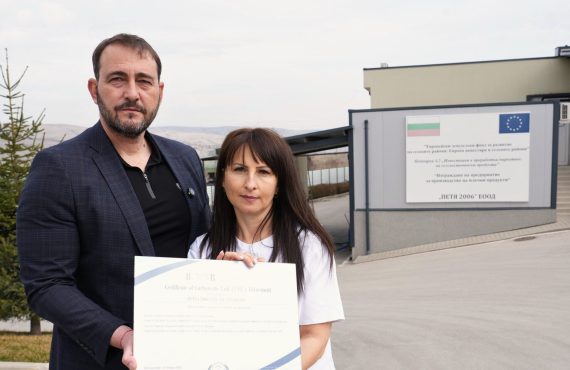
● Has the project undergone independent validation and verification?
The greater the uncertainty surrounding these questions, the higher the project’s perceived risk.
Quality Is Essentially Risk Management
The term high-quality carbon credits is widely used across voluntary carbon markets. But what does it actually mean?
At its core, quality reflects a project’s ability to reduce uncertainty.
A robust methodology reduces the risk of inaccurate calculations.
Direct measurements reduce reliance on estimates.
Independent verification minimizes the risk of errors or unsupported claims.
A transparent registry reduces the risk of double issuance or double use of credits.
Buffer mechanisms help manage the risk of future carbon reversals.
Each component of a well-designed carbon project serves the same essential purpose—it reduces risk and strengthens confidence.
Why Buyers Are Beginning to Think Like Investors
Companies purchasing carbon credits are no longer simply looking for the lowest available price.
Increasingly, they assess carbon projects in much the same way investment funds evaluate financial assets.
They examine:
● the methodology applied;
● the monitoring system;
● independent validation and verification;
● risk management mechanisms;
● project transparency;
● the credibility of the registry;
● the reputation of the project developer.
The reason is straightforward: the lower the risk, the greater the likelihood that a carbon credit will retain its value over time.
Ratings Reflect Risk
The emergence of independent carbon credit rating agencies is a natural consequence of this market transformation.
Their role is not to determine whether a project is simply “good” or “bad.” Instead, they assess the likelihood that the reported climate benefit is real, measurable, additional, and durable over time.
In this way, a carbon credit rating functions as a risk assessment tool, similar to credit ratings in the financial sector.
It enables buyers to compare projects not only by price, but also by reliability.
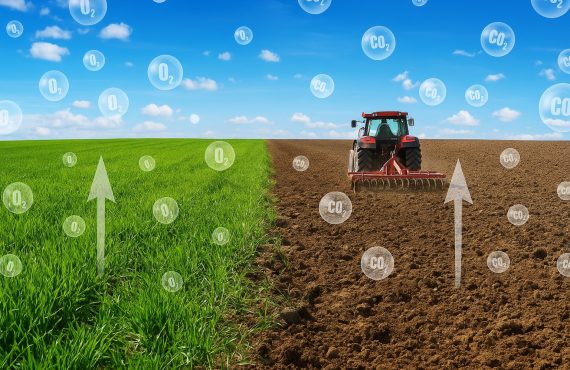
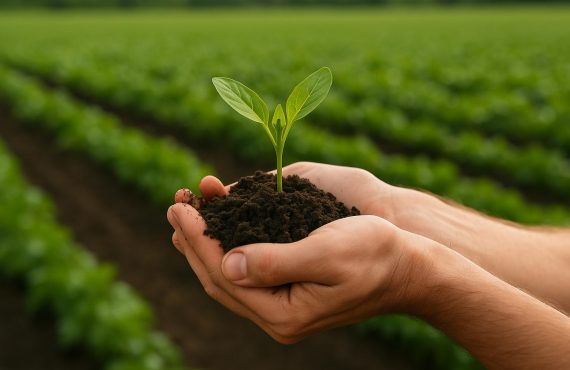
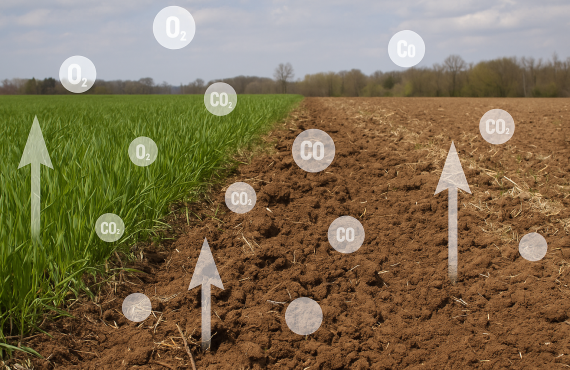
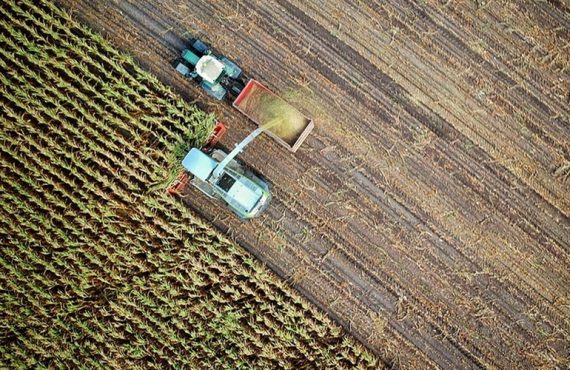
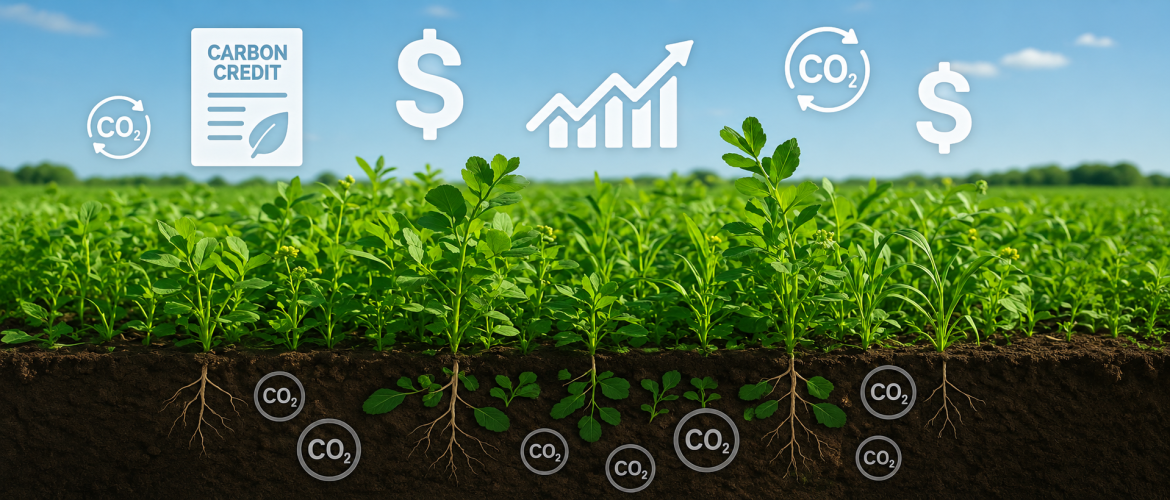
Carbon Farming – Where Trust Begins in the Soil
Carbon farming clearly illustrates this shift.
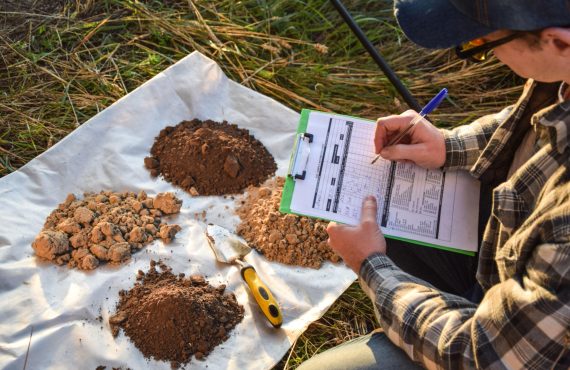
Risk management begins with the very first soil sample.
Reliable baseline measurements, continuous monitoring of soil changes, laboratory analyses, transparent quantification rules, independent verification, and long-term monitoring are not merely administrative requirements.
They are the mechanisms through which a project builds trust.
The better this system is designed and implemented, the lower the uncertainty surrounding the project’s actual climate impact.
The Future Belongs to Projects That Manage Risk
The next decade is unlikely to be defined by the projects that generate the greatest number of carbon credits.
Instead, it will belong to the projects that can demonstrate why their credits deserve trust.
In a world where investors, regulators, and corporate buyers place increasing emphasis on transparency and credibility, the most valuable asset will no longer be the carbon credit itself.
The greatest asset will be a project’s ability to reduce uncertainty through scientifically robust methodologies, high-quality data, independent verification, and effective risk management.
Because in mature carbon markets, value is no longer determined solely by the amount of carbon removed.
It is determined by confidence that the carbon has genuinely been removed, accurately measured, and credibly verified.