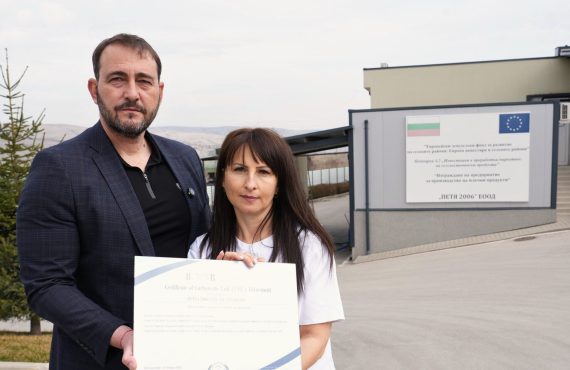

Carbonsafe has successfully completed the joint validation and verification process for the “CARBONSAFE CARBON FARMING PROJECT – NORTH REGION” and has received the final Validation and Verification Report. This milestone confirms that the project complies with the applicable standard and methodology for the measurement, monitoring, reporting, and independent verification of carbon removals in the agricultural sector.
The assessment covered all key elements of the project’s management and reporting system, including the project documentation, methodological approach, monitoring procedures, soil sampling and laboratory analysis processes, quality control mechanisms, and the calculations used to quantify carbon removals.
At present, Carbonsafe’s projects involve 100 agricultural holdings covering a total area of 47,824 hectares across different regions of Bulgaria. As part of the completed verification cycle for the Northern Bulgaria project, a total of 45,480 carbon credits have been verified, representing independently confirmed quantities of carbon dioxide removed from and stored in agricultural soils.
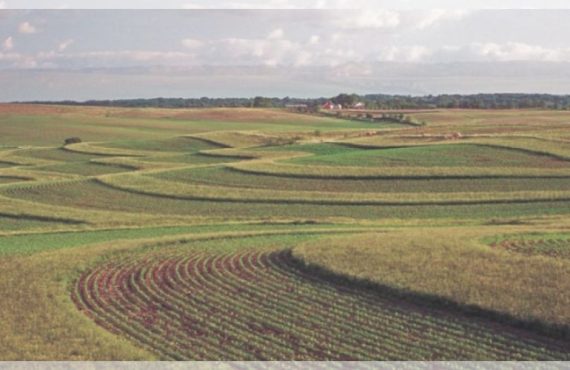
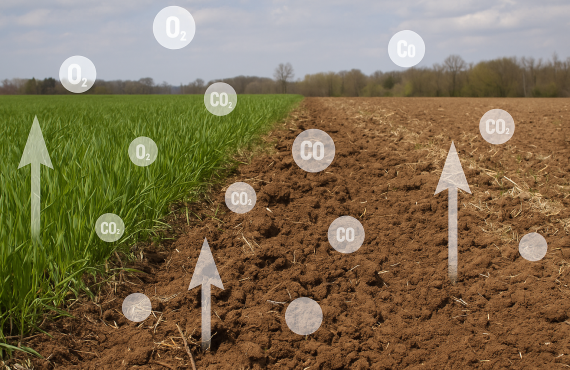
The projects are based on the implementation of regenerative and climate-smart agricultural practices, including reduced and conservation tillage, optimized crop residue management, the introduction of cover crops, improved nutrient management, and other agronomic measures aimed at increasing soil organic carbon stocks.
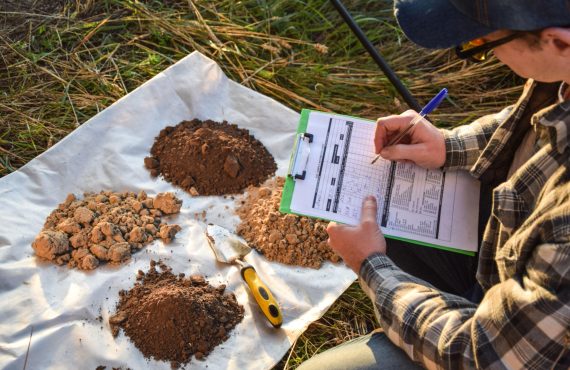
Carbon removals are quantified using a measure–remeasure approach based on direct field measurements and laboratory analysis of soil samples. Monitoring covers three soil depth intervals – 0–30 cm, 30–60 cm, and 60–90 cm – with every sample undergoing laboratory analysis followed by quality assurance and quality control procedures. The calculations also account for greenhouse gas emissions associated with agricultural activities, as well as applicable uncertainty deductions.
In addition to field measurements, the projects incorporate remote sensing technologies to monitor land use, agricultural practices, and their consistency over time. Data from the Sentinel-1 and Sentinel-2 satellite missions, digital elevation models, and specialized geospatial databases complement the monitoring system and support risk management and internal quality control processes.
Both Carbonsafe projects – “CARBONSAFE CARBON FARMING PROJECT – NORTH REGION” and “CARBONSAFE CARBON FARMING PROJECT – SOUTH REGION” – are registered in the Balkan Carbon Credit Registry (BCCR), where the project documentation, methodological framework, and related public documents are available. Following the successful completion of the validation and verification process, the Northern Bulgaria project has now been granted “Active” status, while the Southern Bulgaria project is currently in the final stage of independent assessment.
At the same time, Carbonsafe is entering the final phase of the joint validation and verification process for the “CARBONSAFE CARBON FARMING PROJECT – SOUTH REGION”, which includes the majority of the participating farms as well as the larger share of the carbon credits. All findings have been successfully closed, and the final Validation and Verification Report is expected to be issued in the near future, certifying a total of 423,411 carbon credits.
Receiving the final report for the Northern Bulgaria project marks the beginning of its next development phase – the independent project rating process. As part of this stage, the internationally recognized rating agency BeZero Carbon is expected to conduct an on-site assessment and perform its own technical and risk evaluation of both the project and the verified carbon credits generated.
The BeZero Carbon Rating provides an additional layer of independent assessment by evaluating factors such as the scientific robustness of the methodology, the reliability of measurement and monitoring systems, the long-term durability of carbon removals, risk management, and the project’s overall environmental integrity. Such ratings are playing an increasingly important role in international voluntary carbon markets by providing greater transparency and valuable information to potential buyers.
Indicative site visits to participating farms across both projects are scheduled for August. For ex-post projects, this type of field visit is being conducted for the first time. Until now, on-site inspections have been standard practice primarily for ex-ante projects, whereas projects based on already measured and independently verified results have not previously undergone this type of assessment.
Upon completion of the rating process, Carbonsafe will proceed with the commercialization of the verified carbon credits. The revenues generated will support participating farmers and encourage the wider adoption of sustainable soil management practices.
Despite the ongoing transformation of the voluntary carbon market in recent years, the demand for high-quality, science-based carbon credits continues to grow. More and more companies are seeking opportunities to support initiatives that deliver measurable climate benefits while generating positive impacts for local communities and agricultural producers. A clear indication of this trend is the adoption of the delegated act under the EU Carbon Removals and Carbon Farming Certification Framework (CRCF), which introduces even higher requirements for transparency, measurement, traceability, and the long-term credibility of climate projects.
The development of Carbonsafe’s two projects represents an important step toward establishing a reliable carbon farming system in Bulgaria – one built on scientifically robust methodologies, transparency, independent verification, and a long-term commitment to improving soil health and the sustainability of agricultural production.