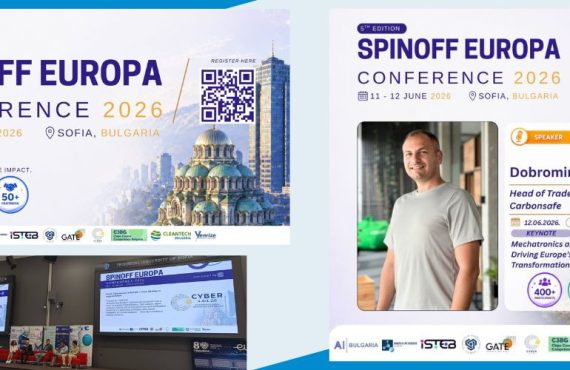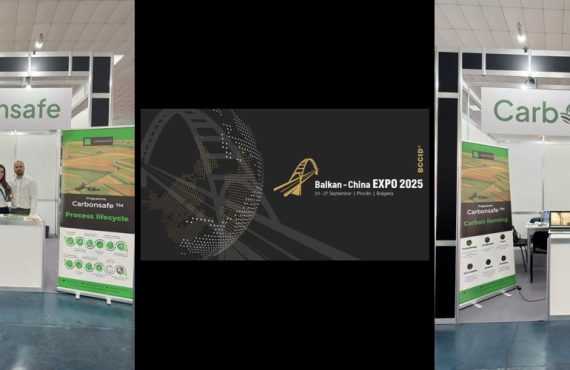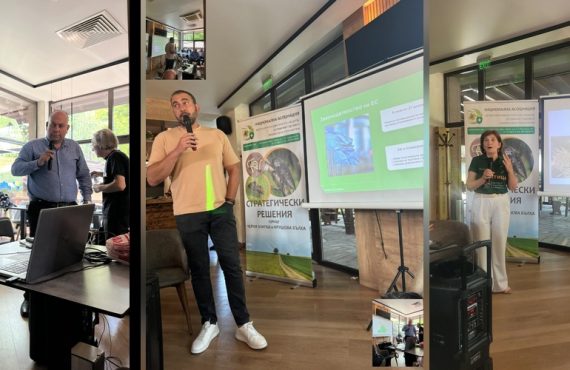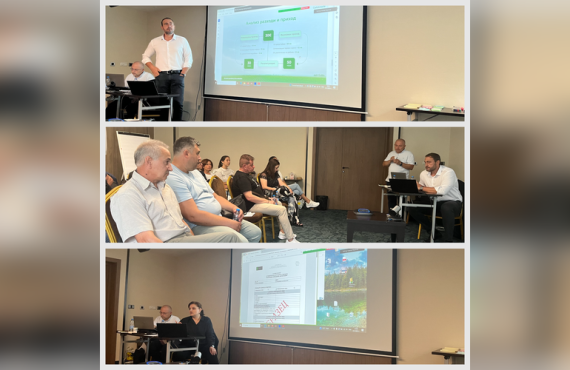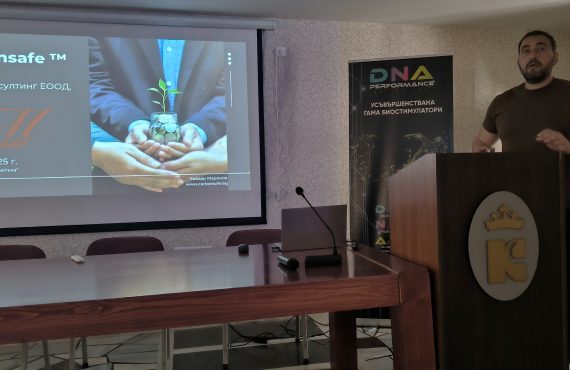
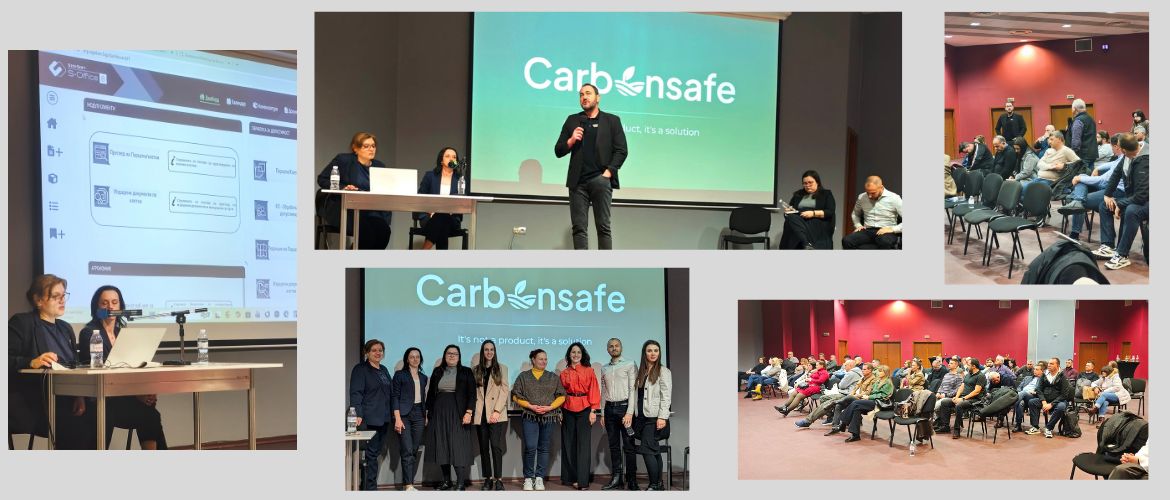
On February 18, 2026, Carbonsafe JSC hosted a specialized seminar in Hall “Bulgaria”, Pavilion 8 at the International Fair Plovdiv. The event brought together farmers – Carbonsafe clients – as well as partners and experts engaged in the development of carbon farming and the voluntary carbon market.
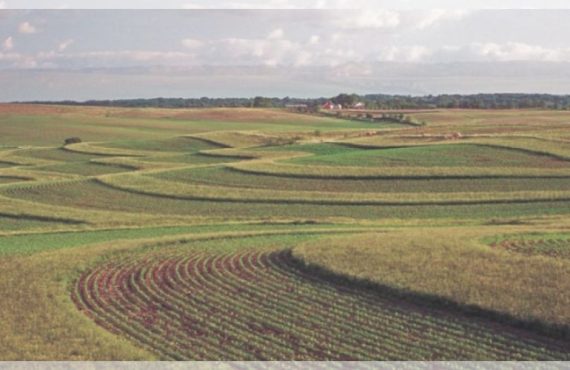
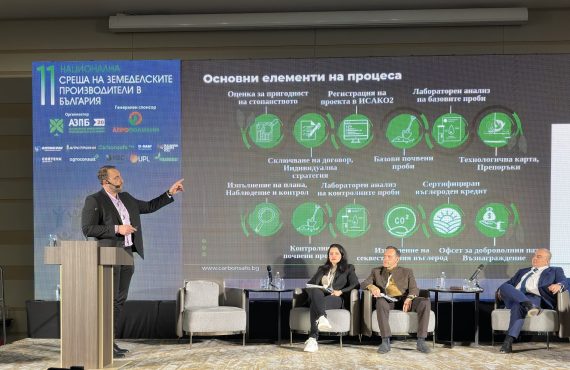
During the program, the Carbonsafe team presented its two ongoing initiatives – “Carbon Farming Project – Northern Bulgaria” and “Carbon Farming Project – Southern Bulgaria.” The entire project lifecycle was outlined, from registration and project timeline, through the implementation of field practices, to certification and the issuance and commercialization of carbon credits.
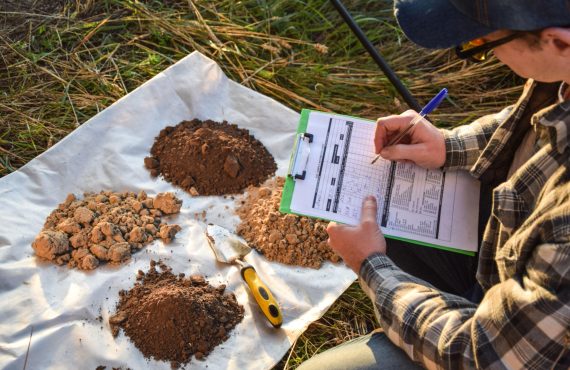
A strong emphasis was placed on the agronomic component of the projects – the implementation of regenerative practices, annual soil sampling, monitoring, and the importance of laboratory analyses for objectively measuring results. It was highlighted that a scientific approach and systematic data collection are fundamental to demonstrating measurable climate impact.
Participants were also introduced to Carbonsafe’s “Clients” software module – a digital platform through which farmers can track their project data, results, and development stages. The technological solution complements field activities and provides greater transparency and control for each participating farmer.
The seminar also included a detailed explanation of the third-party audit process – how project validation and verification are conducted, what the stages of independent review involve, and why proper documentation of activities is essential. The project rating process was presented as well, including the components evaluated, the scoring scale, and why a high rating is directly linked to the successful commercialization of carbon credits. It was emphasized that transparency, traceability, and compliance with international standards are key to maintaining buyer confidence in the voluntary carbon market.
As a guest speaker, Hristo Nikolov, CEO of Agviser JSC, presented the role of agronomic and laboratory data in managing carbon projects. He emphasized the importance of technological field maps as a tool for traceability and accurate reporting of implemented practices, as well as the connection between field activities and laboratory testing as evidence of real climate impact.
Tanya Dimitrova, representing the Balkan Carbon Registry JSC, introduced the registry’s functions as a specialized electronic platform for processing and storing data related to validated programs, methodologies, and projects. She explained how the registry publishes verified data, issues unique serial numbers for carbon credits, tracks their movement, and prevents double counting. It was emphasized that the registry does not trade carbon credits but ensures transparency and security throughout the process.
Attention was also given to Regulation (EU) 2024/3012 of the European Parliament and of the Council, establishing a Union certification framework for permanent carbon removals, carbon farming, and carbon storage in products. The future carbon farming methodology under the regulation and Carbonsafe’s plans to align its projects with the European framework were discussed.
The seminar concluded with an open discussion, during which farmers asked questions and shared practical insights. The meeting once again demonstrated that sustainable solutions are built through partnership, expertise, and active dialogue between farmers, science, and business.