Trust Is No Longer Built on Promises
Over the past decade, sustainability has become an integral part of corporate strategy. Companies have announced ambitious decarbonization targets, published ESG reports, committed to net-zero pathways, and invested heavily in climate initiatives. These developments have been driven by growing societal expectations, evolving regulations, investor pressure, and the global transition toward a low-carbon economy.
Today, however, sustainability is entering a new phase.
Setting ambitious goals is no longer enough. Increasingly, companies are being evaluated not by what they promise, but by what they can prove.
This shift represents far more than another ESG trend. It marks a fundamental transformation in how corporate trust is established. If the defining question of the past decade was:
“What are your climate ambitions?”
the defining question of the next decade will be:
“How can you demonstrate that you are achieving them?”
That single question is reshaping markets across virtually every industry.
Data Is Becoming the New Currency of Trust
For decades, competitive advantage was built on price, product quality, innovation, or brand reputation.
Today, another strategic asset is emerging alongside them: the ability to produce reliable, traceable, and independently verifiable data.
Whether the subject is carbon footprints, sustainable sourcing, biodiversity, regenerative agriculture, or climate investments, trust is increasingly built on evidence rather than declarations.
This transformation extends far beyond sustainability reporting.
Food producers are expected to demonstrate the origin of their raw materials. Battery manufacturers are preparing for Digital Product Passports. Financial institutions are integrating climate-related risks into investment and lending decisions. Investors demand measurable sustainability performance rather than broad commitments. Corporate buyers increasingly assess the quality of climate projects instead of simply purchasing the largest volume of carbon credits.
Across all these sectors, one common trend is emerging:
Data is becoming the new currency of trust.
From Statements to Evidence
The evolution can be illustrated through a few simple comparisons.
A few years ago, it was sufficient for a company to state that it was reducing greenhouse gas emissions.
Today, stakeholders want to know how those emissions were calculated, which methodology was applied, over what reporting period, and whether the results have been independently verified.
Previously, a product could simply be marketed as “sustainable.”
Today, customers and regulators increasingly expect documented evidence of its origin, production practices, environmental impact, and supply chain transparency.
The same applies to carbon markets.
Purchasing carbon credits is no longer enough. Companies now ask where those credits originate, how carbon removals were quantified, how project risks are managed, whether the project has undergone independent validation and verification, and whether the environmental claims can withstand scrutiny.
The difference is profound.
Sustainability is no longer defined by good intentions.
It is defined by the ability to demonstrate measurable outcomes.
The Emerging Economy of Trust
This transformation is not driven by regulation alone.
It is the result of several converging forces.
Investors seek projects with lower uncertainty and greater long-term credibility.
Financial institutions increasingly integrate climate-related risks into capital allocation decisions.
Large corporations demand greater transparency throughout their supply chains.
Meanwhile, regulatory frameworks continue to raise expectations regarding the quality and reliability of sustainability disclosures.
Within this environment, trust itself is becoming an economic asset.
Organizations capable of providing transparent, scientifically robust, and verifiable information reduce uncertainty for customers, investors, financial institutions, and regulators alike.
Lower uncertainty translates directly into lower perceived risk.
That is why high-quality data is no longer merely a technical requirement—it has become a strategic competitive advantage.
Carbon Farming Illustrates This Transformation
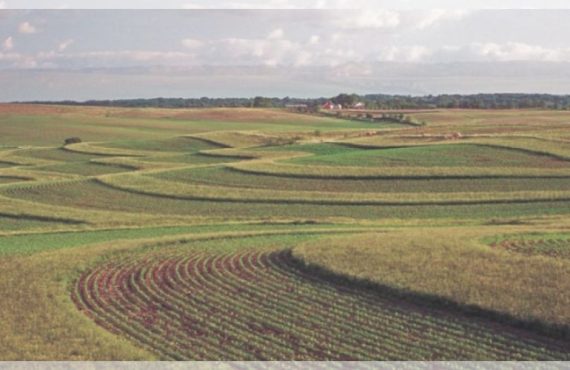
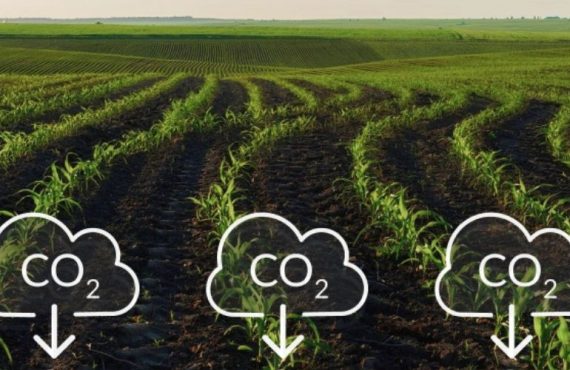
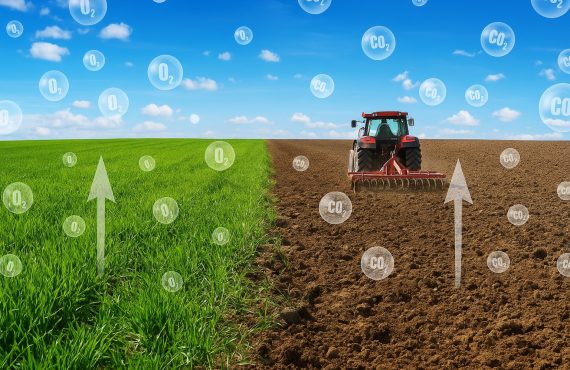
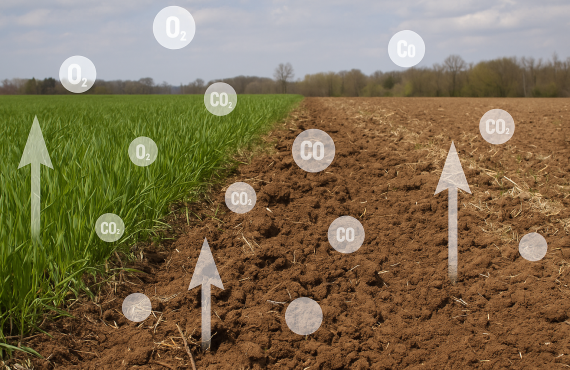
Few sectors demonstrate this shift as clearly as carbon farming.
The very concept of rewarding farmers for increasing soil organic carbon raises one fundamental question:
How do we prove that carbon has actually been removed and stored?
Answering that question requires far more than good intentions.
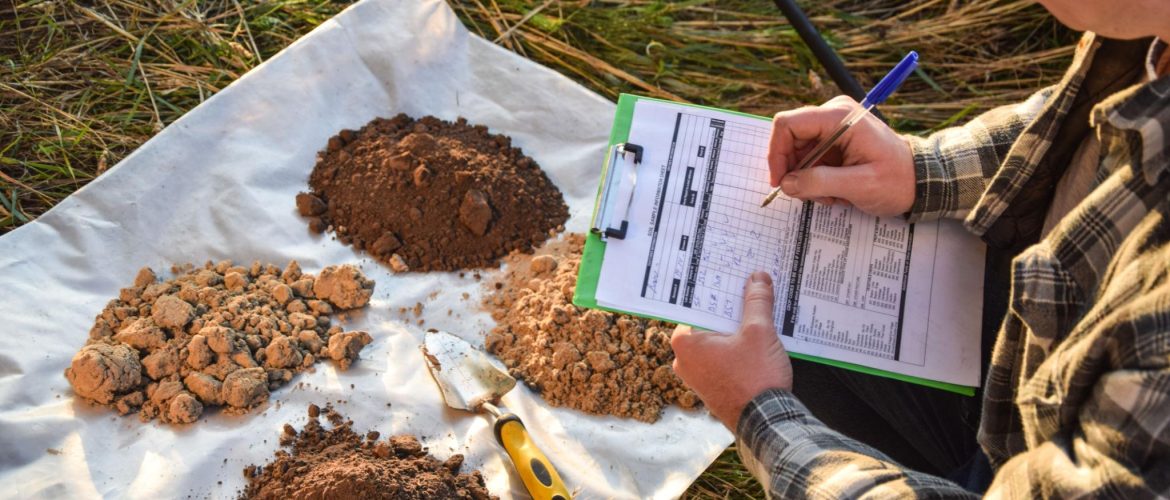
It requires scientifically robust methodologies, clearly established baselines, systematic monitoring, reliable quantification approaches, independent verification, and transparent documentation throughout the entire project lifecycle.
High-quality carbon projects therefore rely on integrated Measurement, Reporting and Verification (MRV) systems, laboratory analyses, direct field measurements, transparent accounting methodologies, independent third-party assessments, and secure carbon registries.
Each of these components serves a single purpose:
To transform climate claims into verifiable evidence.
Trust Is Built Through Systems, Not Individual Measurements
It is often assumed that the credibility of a carbon project depends primarily on one factor—soil sampling, remote sensing, or the methodology itself.
In reality, trust emerges from the interaction of an entire system.
Reliable methodologies.
Transparent governance.
Quality assurance procedures.
Documented monitoring.
Independent validation and verification.
Traceable registries.
Risk management mechanisms.
Each individual element reduces uncertainty.
Together, they establish confidence.
This explains why the market is gradually shifting its attention away from one simple question:
“How many carbon credits were issued?”
toward a far more important one:
“How reliable are those credits?”
What This Means for Business
The implications extend well beyond voluntary carbon markets.
Over the coming years, companies across virtually every sector will be expected to substantiate environmental, social, and climate-related claims with credible evidence.
Organizations that invest in robust data management, transparent methodologies, and independent verification will be significantly better positioned to build trust with investors, financial institutions, regulators, and customers.
Those relying primarily on broad sustainability narratives may find it increasingly difficult to demonstrate the credibility of their claims.
The competitive landscape is changing.
Evidence is becoming as valuable as ambition.
The Next Decade Will Belong to Companies That Can Demonstrate Their Impact
Every decade introduces a new driver of competitiveness.
Once it was cost.
Then quality.
Later, digital transformation and innovation.
The next defining competitive advantage may well be trust.
And trust will increasingly be earned not through promises, but through measurable, transparent, and independently verifiable data.
This does not mean companies should communicate less about sustainability.
It means every sustainability claim will need to be supported by robust methodologies, reliable data, and objective evidence.
Because in the emerging economy of sustainability, promises alone are no longer sufficient.
The organizations that will lead the next decade will be those capable of proving every claim they make.