Carbonsafe has successfully submitted its first Communication on Progress (CoP) to the United Nations Global Compact. Following the submission, the company was granted “Active” status, fulfilling its first official reporting obligation as a participant in the world’s largest corporate sustainability initiative. Carbonsafe joined the United Nations Global Compact in 2025, committing to implement and promote the initiative’s Ten Principles in the areas of human rights, labour standards, environmental protection, and anti-corruption. The Communication on Progress (CoP) is an annual public report
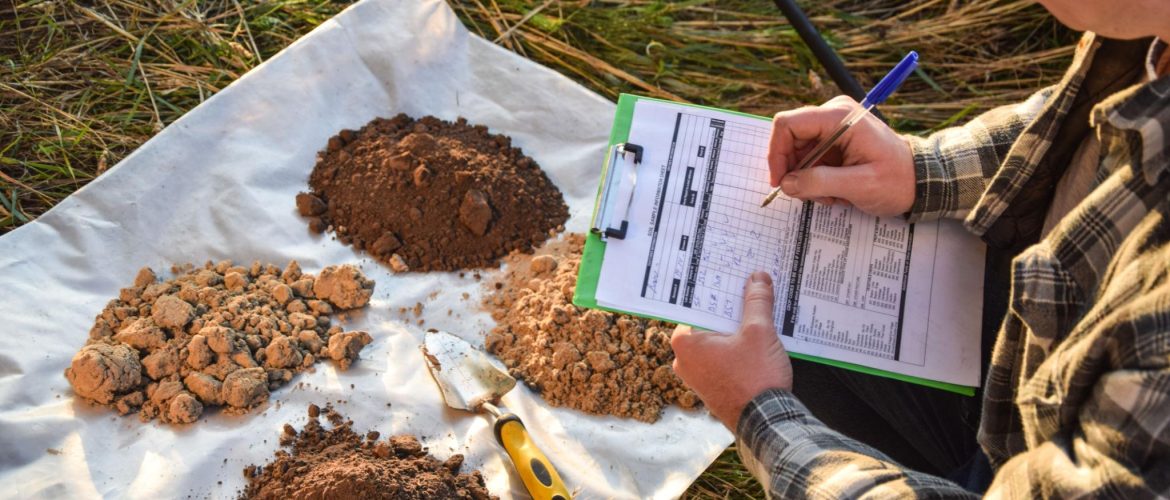
The Carbonsafe team of agronomists has launched the current cycle of routine on-site visits to agricultural holdings participating in the company’s carbon farming projects. These visits are an integral part of the established Monitoring, Reporting and Verification (MRV) system and are carried out regularly throughout the implementation of the projects. Their primary objective is to document the current condition of the monitored fields and the agricultural practices applied during the respective growing season. This enables continuous monitoring of farm development between
The Carbon Market Is Entering a New Phase For many years, carbon markets were largely driven by a single metric – the number of carbon credits generated. The more credits a project could produce, the more successful it appeared to be. Today, that logic is gradually changing. Corporate buyers, financial institutions, and investors are no longer evaluating projects solely by the volume of credits they generate. Instead, one question is becoming increasingly important: How reliable are these carbon credits? The answer depends on one factor
Trust Is No Longer Built on Promises Over the past decade, sustainability has become an integral part of corporate strategy. Companies have announced ambitious decarbonization targets, published ESG reports, committed to net-zero pathways, and invested heavily in climate initiatives. These developments have been driven by growing societal expectations, evolving regulations, investor pressure, and the global transition toward a low-carbon economy. Today, however, sustainability is entering a new phase. Setting ambitious goals is no longer enough. Increasingly, companies are being evaluated not by what
At the heart of these changes are two interconnected regulatory frameworks – the Corporate Sustainability Reporting Directive (CSRD, Directive (EU) 2022/2464) and the European Sustainability Reporting Standards (ESRS). CSRD is the regulatory framework that defines which companies are required to disclose sustainability information and sets out the main requirements for such reporting. ESRS, in turn, are the detailed technical standards developed by EFRAG and adopted by the European Commission, which define the specific indicators, methodologies and disclosure requirements. Unlike the previous Non-Financial
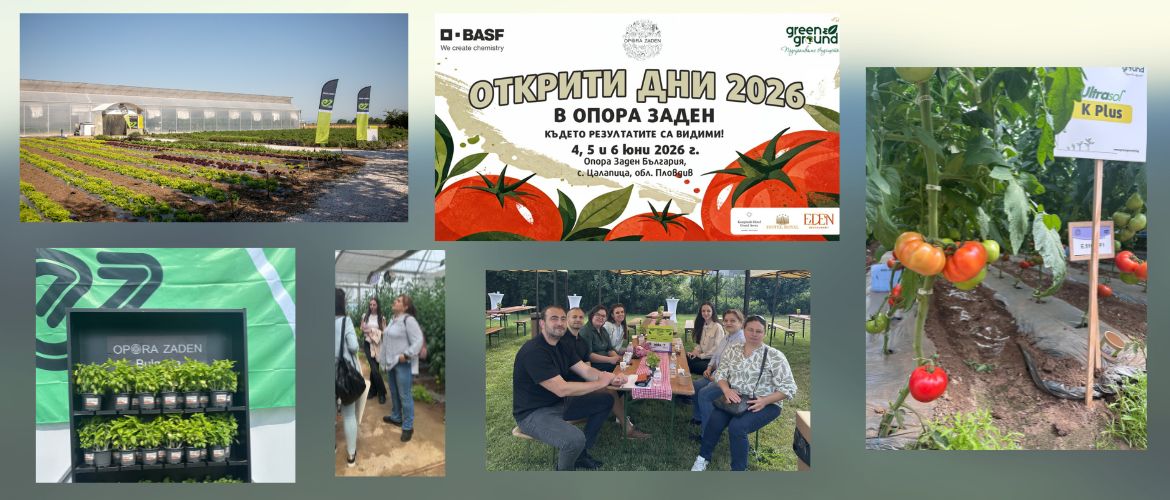
The Carbonsafe team attended Open Days 2026 at Opora Zaden Bulgaria’s demonstration site in the village of Tsalapitsa, where new varieties and hybrids of vegetable crops were presented, along with up-to-date solutions for plant nutrition and crop protection. A key focus of the event was tomatoes. Visitors had the opportunity to explore a wide range of large-fruited pink and red varieties and hybrids, including new solutions with high resistance to Tomato Brown Rugose Fruit Virus (ToBRFV), which is among the most
The carbon credit market is entering a new stage of development. While a few years ago the main focus was on increasing the number of climate projects, attention is now increasingly shifting toward the quality of the carbon credits generated and the level of trust they inspire. The reason is simple: not all carbon credits carry the same value. Behind every credit stands a specific project, a particular methodology for measuring results, and a different approach to quantifying climate impact. As
With the development of the voluntary carbon market, carbon project ratings are becoming increasingly important. They are gradually establishing themselves as a tool for assessing the quality, reliability, and actual climate impact of projects, while interest in them continues to grow among investors, buyers, and organizations developing carbon programs. In practice, ratings represent an independent expert assessment of the risk and reliability of carbon credits. They do not replace certification and verification but instead provide an additional perspective on the extent
In recent years, agriculture has been operating under increasing economic pressure. Rising fuel prices, fertilizers, and essential resources, intensified by geopolitical instability and changes in international markets, are forcing farmers to seek new approaches to farm management. In this environment, sustainability is no longer defined solely by yields, but by the ability to optimize costs without compromising production. It is becoming increasingly clear that one of the most important prerequisites for this is soil condition. For a long time, soil health
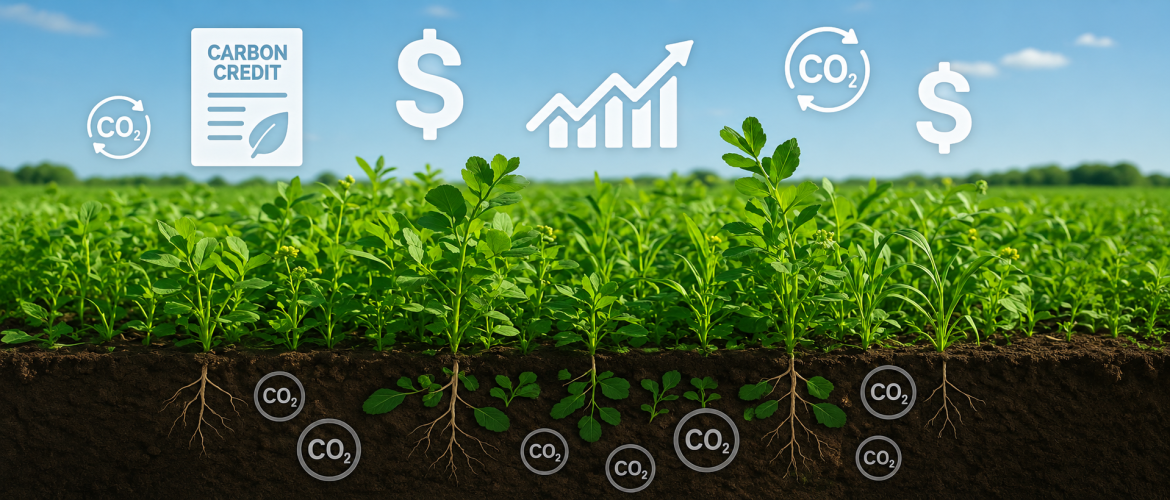
Carbon farming in Europe is gradually moving from the stage of regulations and concepts toward the real implementation of practices on the ground. Following the establishment of the European framework for the certification of carbon removals and carbon farming, the focus is increasingly shifting to how these mechanisms will function in practice and what value they will create for farmers. This transition marks an important shift – from policies to action. Carbon farming is emerging as a tool that connects sustainable