In recent years, agriculture has been operating under increasing economic pressure. Rising fuel prices, fertilizers, and essential resources, intensified by geopolitical instability and changes in international markets, are forcing farmers to seek new approaches to farm management. In this environment, sustainability is no longer defined solely by yields, but by the ability to optimize costs without compromising production.
It is becoming increasingly clear that one of the most important prerequisites for this is soil condition. For a long time, soil health was viewed mainly as an agronomic topic, but today it has a direct impact on farm economics. Low levels of organic matter, unbalanced nutrient content, and degraded soil structure lead to greater dependence on mineral fertilizers and increased sensitivity to climate stress. As a result, costs rise while yield stability declines.
At the same time, well-managed soil allows for better nutrient uptake, more efficient water retention, and greater crop resilience. Increasing organic matter improves soil structure and biological activity, creating long-term opportunities to optimize inputs and use resources more efficiently.
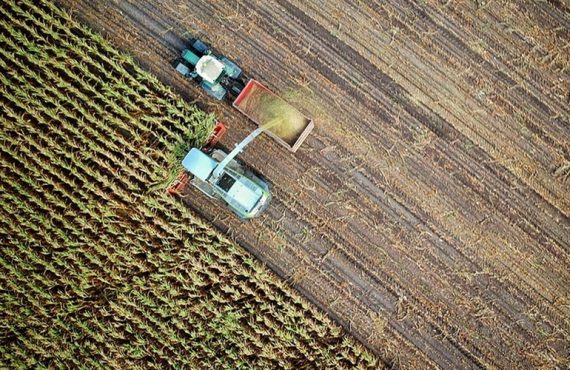
Fuel costs also remain a major concern. Intensive soil tillage is among the most energy-consuming activities on a farm. With constantly fluctuating fuel prices, farmers are increasingly looking for solutions that reduce the need for heavy tillage and support more sustainable land management.
However, this process requires accurate and objective information. Modern agriculture relies less on universal solutions and increasingly on real data. Through systematic soil sampling and laboratory analysis, farmers can gain a clear understanding of their soil condition – including nutrient content, organic matter, pH, and carbon balance. This information enables more precise decisions and better cost planning.
In practice, this means moving toward a more differentiated approach to farm management. Instead of applying the same rates and universal practices across all fields, decisions are adapted to the specific characteristics of each plot. This helps avoid both shortages and excessive use of resources – both of which lead to economic losses.
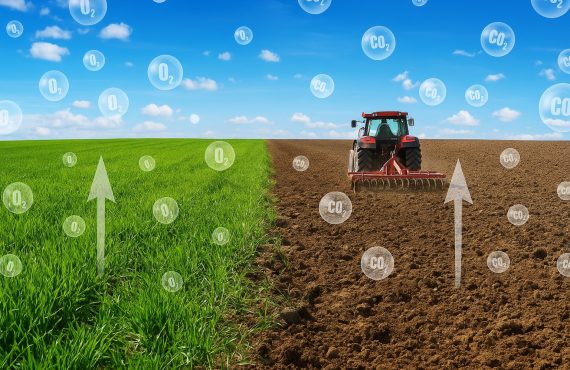
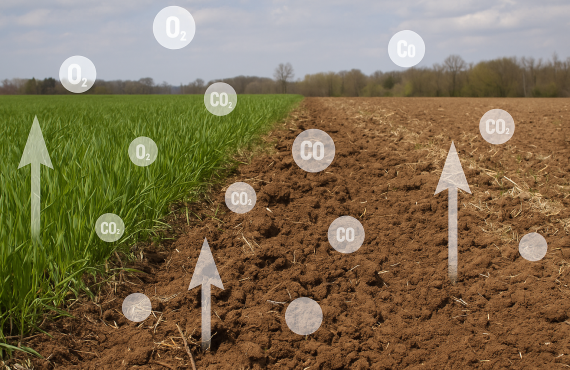
This model is increasingly being applied in carbon farming, where soil is viewed as a long-term asset. Improving soil condition not only supports sustainable production but also creates opportunities for additional value through carbon credits and greater farm resilience to climate change.
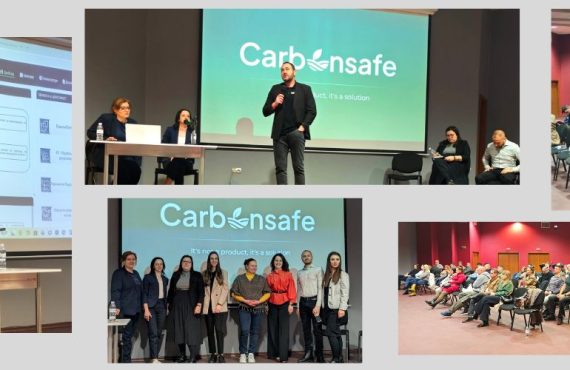
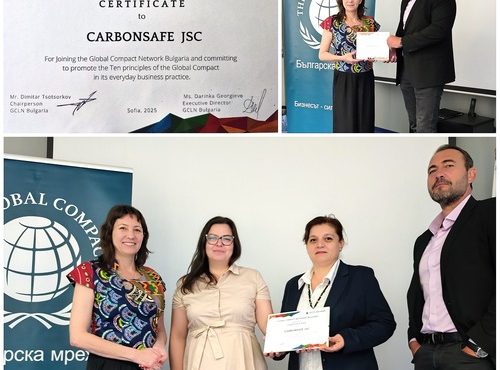
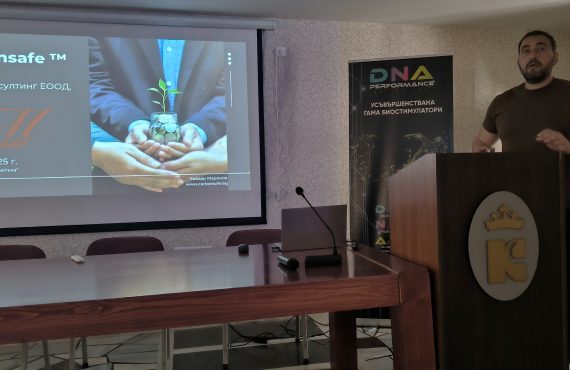
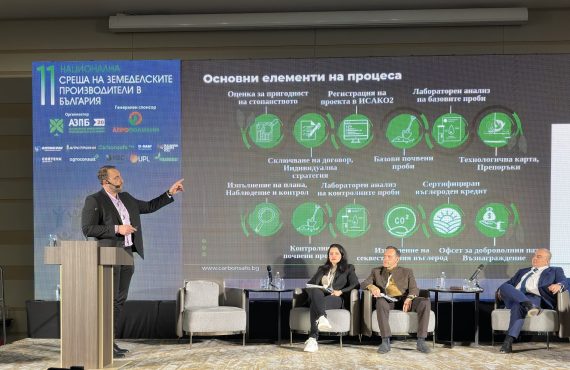
In Bulgaria, such an approach is already being implemented in practice. Carbonsafe works with farmers through annual soil sampling, laboratory analysis, and long-term monitoring of results. This makes it possible to develop specific soil management strategies aimed at improving soil condition while optimizing costs and increasing resource efficiency.
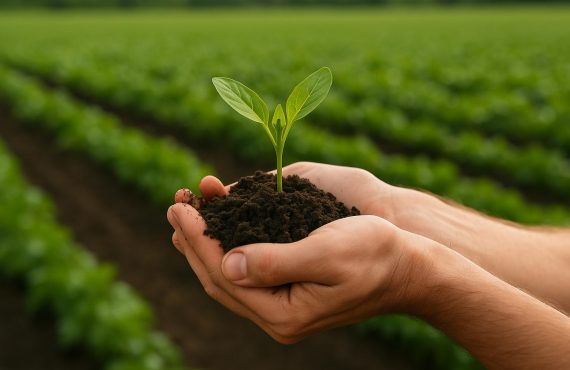
In a context of rising prices and uncertainty, the sustainability of agricultural holdings depends less on external factors and increasingly on the quality of management. At the core of this management stands the soil – not simply as a production resource, but as a strategic factor for long-term economic stability and sustainable development.