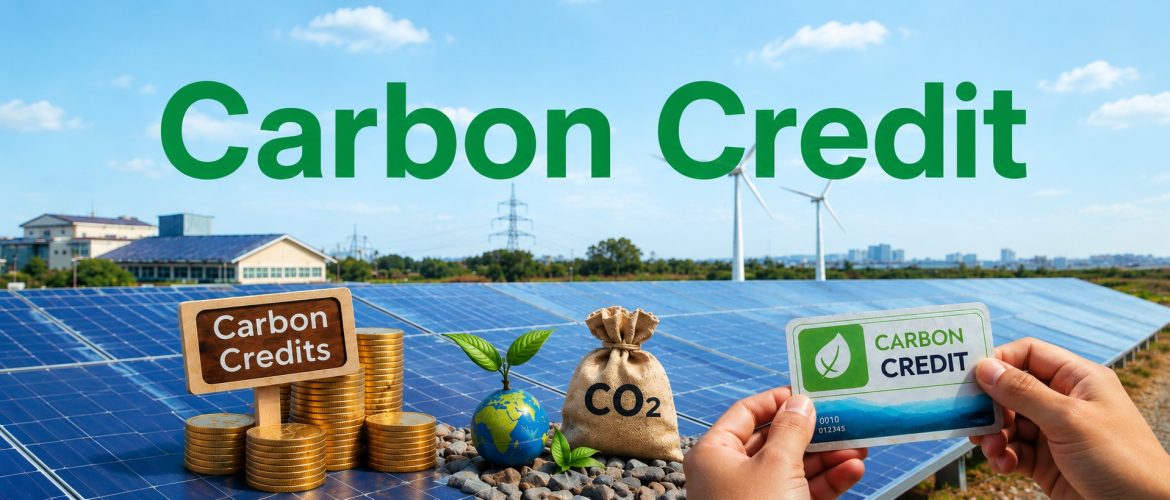
The carbon credit market is entering a new stage of development. While a few years ago the main focus was on increasing the number of climate projects, attention is now increasingly shifting toward the quality of the carbon credits generated and the level of trust they inspire.
The reason is simple: not all carbon credits carry the same value. Behind every credit stands a specific project, a particular methodology for measuring results, and a different approach to quantifying climate impact. As a result, investors and buyers are becoming more interested not only in the number of credits available, but also in how those credits have been generated.
In recent years, the concept of “high integrity” has become increasingly prominent in the voluntary carbon market. It is used to describe projects that can demonstrate that their reported results are real, measurable, traceable, and independently verified. This places greater emphasis on data quality, monitoring frequency, process transparency, and the reliability of the methodologies used.
The ability of projects to demonstrate the long-term durability of their results is also becoming increasingly important. The market is gradually moving away from models based primarily on projected estimates and toward solutions that rely on direct measurements and continuous monitoring over time.
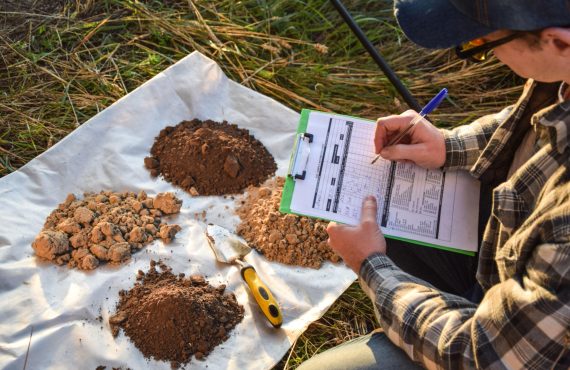
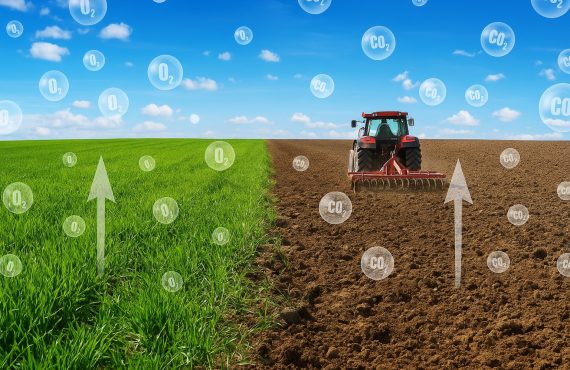
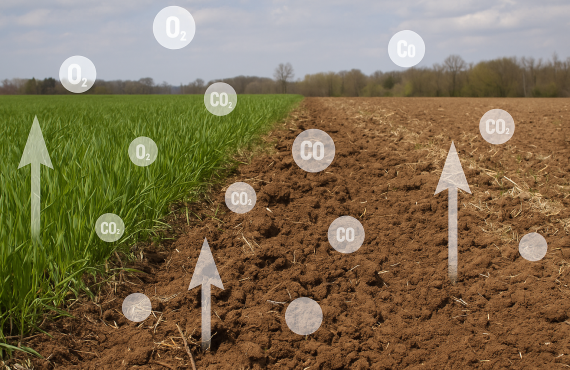
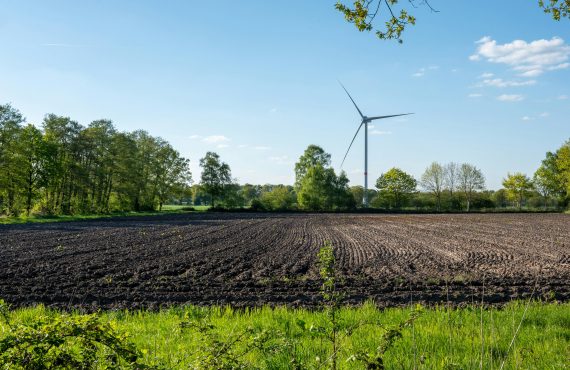
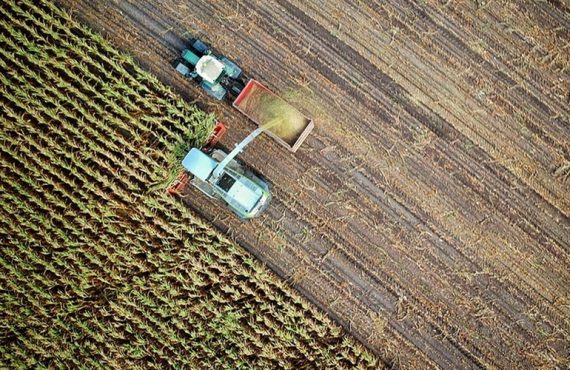
This trend is particularly evident in carbon farming projects. The sequestration of carbon in soil is a process that requires systematic monitoring and objective evidence. For this reason, more and more organizations and buyers are placing emphasis on soil sampling, laboratory analyses, and independent verification of results.
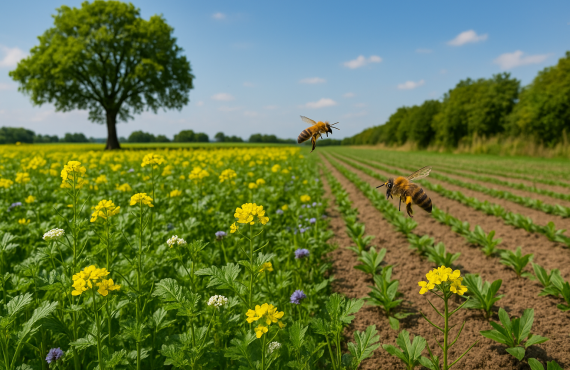
Alongside climate impact, the co-benefits generated by projects are becoming increasingly important. Improved soil health, enhanced biodiversity, better water management, and greater farm resilience are now key factors in assessing project quality.
Within the European Union, this trend is reflected in the development of the Carbon Removals and Carbon Farming Regulation (CRCF), which places a strong emphasis on transparency, traceability, and the robust verification of results. The objective is to build a market based on trust and common standards for assessing climate impact.
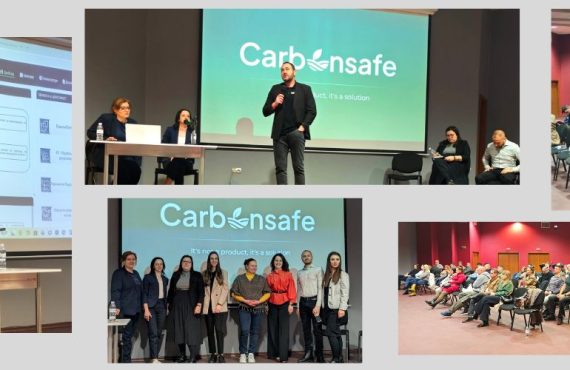
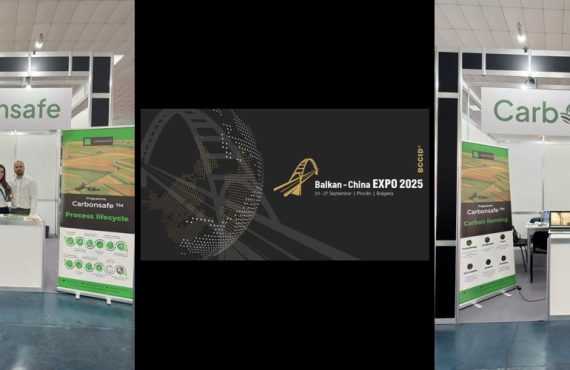
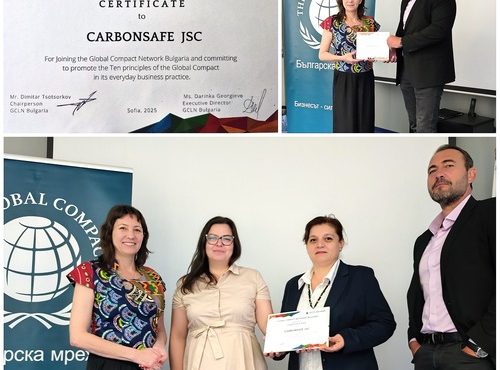
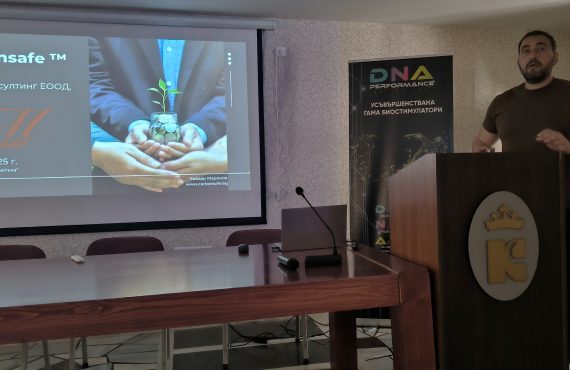
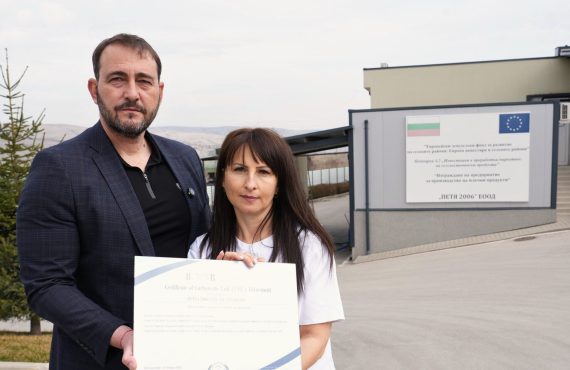
In Bulgaria, this approach is already being implemented in practice. Carbonsafe develops carbon farming projects based on annual soil sampling, laboratory analyses, and independent verification of results. This approach links carbon credits to measurable changes in soil carbon and creates a higher level of confidence for both farmers and potential buyers.
As the market continues to evolve, it is becoming increasingly clear that the future belongs to projects capable of demonstrating real results rather than simply promising them. This is why quality is gradually becoming the most valuable currency in the carbon credit market.