Carbon farming in Europe is gradually moving from the stage of regulations and concepts toward the real implementation of practices on the ground. Following the establishment of the European framework for the certification of carbon removals and carbon farming, the focus is increasingly shifting to how these mechanisms will function in practice and what value they will create for farmers.
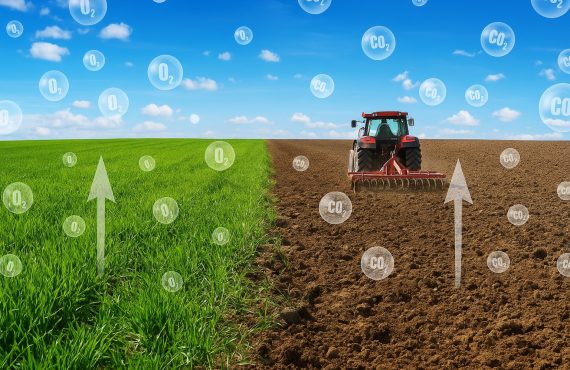
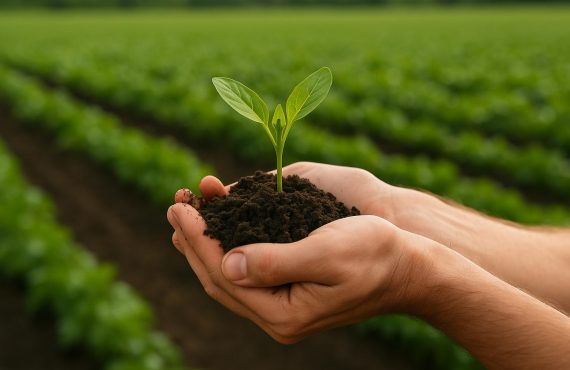
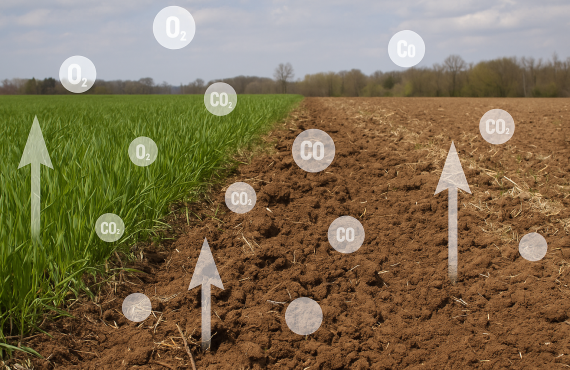
This transition marks an important shift – from policies to action. Carbon farming is emerging as a tool that connects sustainable agricultural practices with measurable results. The accumulation of organic carbon in the soil, the reduction of emissions, and the improvement of soil health are no longer just goals, but indicators that can be monitored and verified.
For farmers, this opens up new opportunities, but also introduces new requirements. Farm management increasingly requires long-term planning, data-driven decision-making, and the consistent application of practices that lead to tangible results. Soil health, balanced fertilization, and proper land management are becoming ever more important, as they form the foundation for sustainably increasing soil carbon.
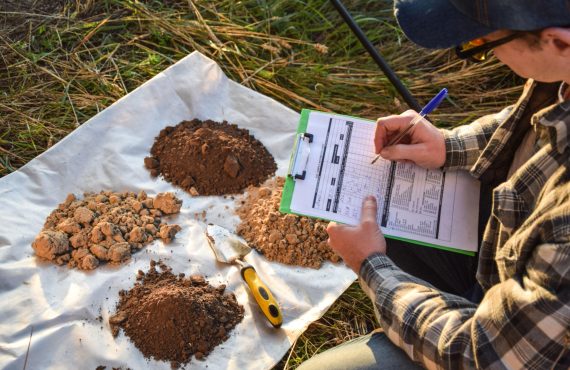
A key element in this process is measurability. European policies and the evolving market are clearly moving toward models based on real data – through soil sampling, laboratory analysis, and long-term monitoring. This represents a significant shift that will increasingly distinguish reliable and effective projects from those relying solely on theoretical estimates.
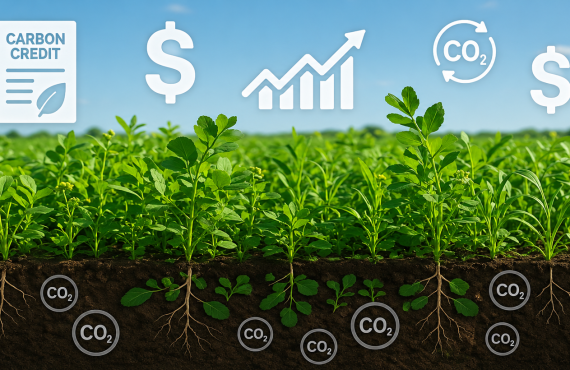
At the same time, the carbon credit market is also developing. There is growing interest from companies seeking high-quality credits with a verifiable origin and real climate impact. In the coming years, this market is expected to become more structured around principles such as transparency, traceability, and scientific integrity.
In this context, European institutions continue to actively work on implementing the new framework. In May, the first “CRCF Days” will take place in Brussels, where the practical aspects of the regulation and the development of the market will be discussed, including mechanisms to stimulate demand for high-quality carbon credits.
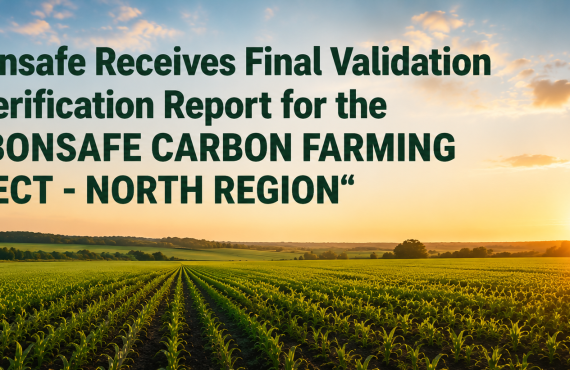
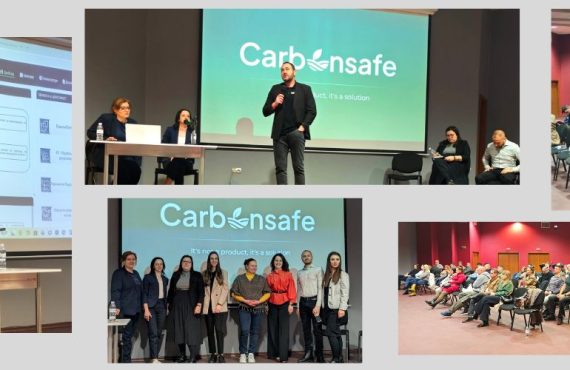
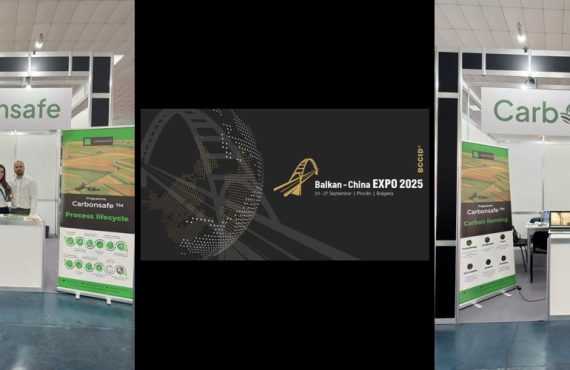
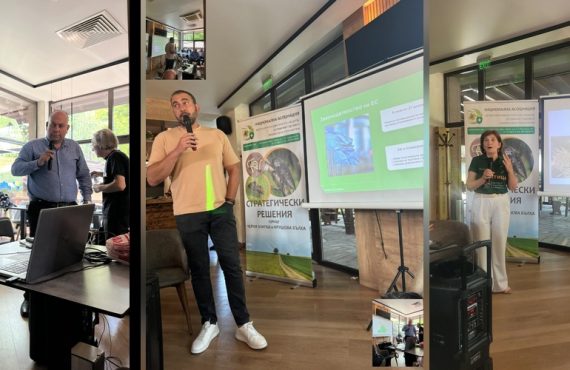
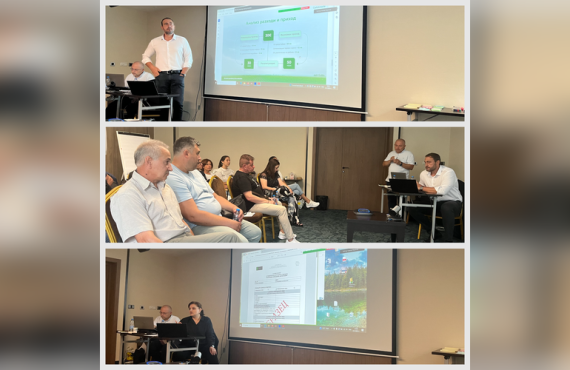
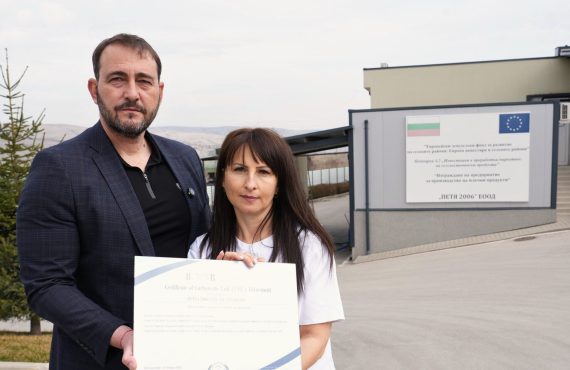
Practice already shows that the most successful models are those that combine agronomy, science, and technology. In Bulgaria, Carbonsafe applies such an approach, based on annual soil sampling, laboratory analysis, and independent verification of results. This enables the development of long-term strategies for sustainable farm management and ensures the reliability of the outcomes.
Entering this new phase means that carbon farming will become increasingly practical and more closely integrated into farmers’ day-to-day work. Opportunities are expanding, but expectations regarding the quality and verifiability of results are also rising.
Ultimately, carbon farming is not just a new source of income, but a long-term approach to land management – one that combines economic sustainability with a real contribution to climate action.