
Carbon removal projects in agriculture are playing an increasingly important role in the voluntary carbon market. Alongside concepts such as monitoring, verification, and certification, the term “additionality” is being used more frequently. Although it may sound technical, additionality lies at the heart of trust in carbon credits and is among the most strictly assessed requirements by standards and independent auditors.
In simple terms, additionality means that a project delivers real climate impact that would not have occurred without the project itself and without the financial incentive provided by the carbon market. In other words, the impact must be additional to business-as-usual agricultural practices. If certain sustainable practices are already being implemented independently of a carbon project, they cannot automatically be considered additional.
The importance of additionality stems from how the voluntary carbon market functions. Buyers of carbon credits expect their investment to support real, measurable, and additional climate action. When additionality is lacking, there is a risk of credits that do not deliver genuine climate benefits, which ultimately undermines trust in the market as a whole.
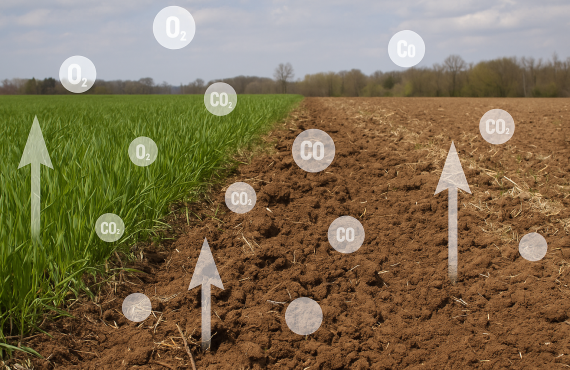
In agricultural carbon projects, additionality is typically linked to the introduction of new or significantly changed practices that lead to increased carbon sequestration in soils or reduced emissions. The key question remains whether these changes would have taken place without the project. If the answer is no, the practices may be recognized as additional.
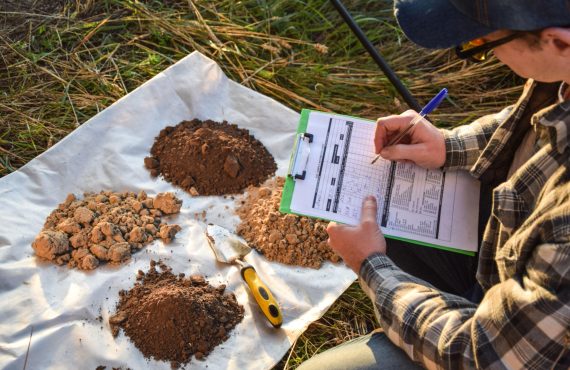
Additionality is demonstrated through a defined baseline scenario, historical data, and independent verification by auditors who assess the actual change compared to previous land management. Although this process is rigorous, it also protects farmers by ensuring that their efforts are fairly recognized and that the resulting carbon credits carry real market value.
In an environment of rising requirements and increased scrutiny, additionality remains a fundamental criterion for high-quality and sustainable agricultural carbon projects. It provides trust, transparency, and long-term value for both the market and agricultural producers.