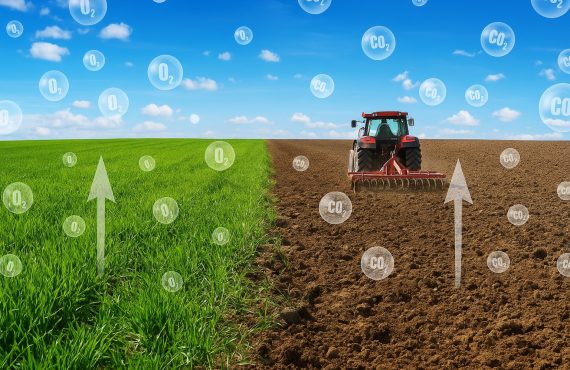
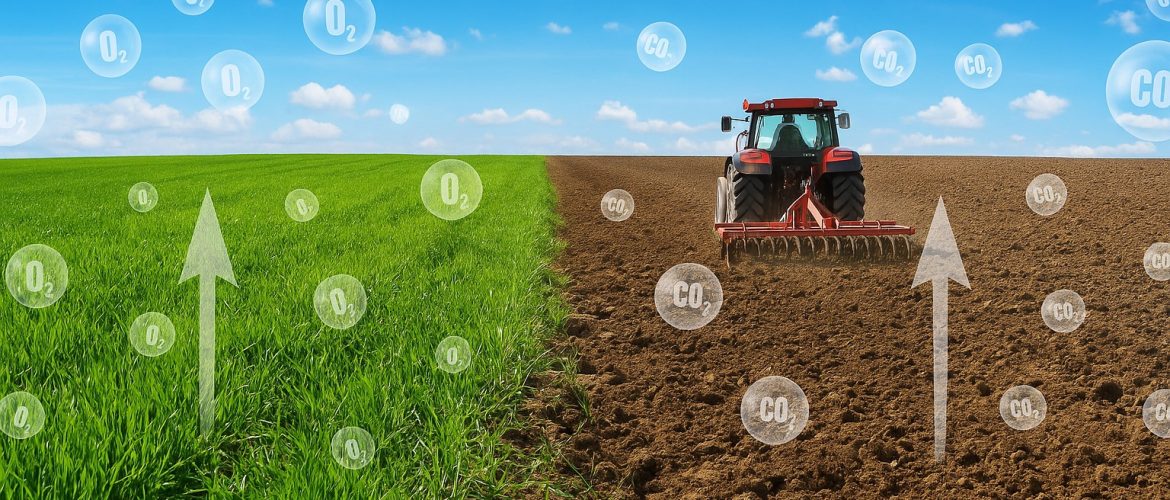
Carbon farming continues to establish itself as one of the most promising tools for sustainable soil management and climate adaptation. In 2025, the sector made steady progress, and the year ahead is expected to mark a new phase – one that is more mature, better structured, and increasingly driven by science and innovation.
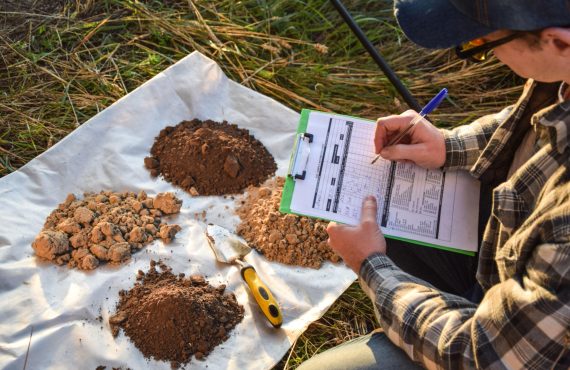
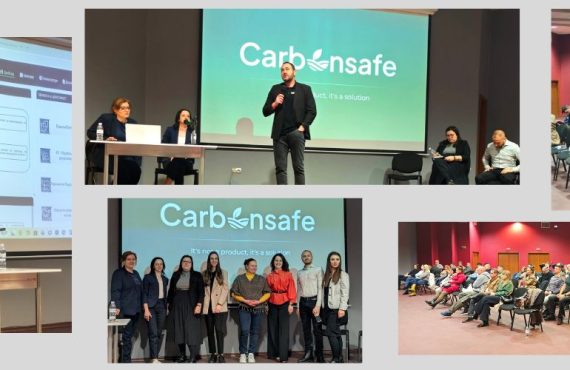
Experts predict that 2026 will be a year of refinement and growing trust in measurement and verification systems. More and more farmers and investors are turning to models based on real soil data and laboratory verification — an approach that Carbonsafe has already successfully implemented in Bulgaria. The adoption of the European Carbon Removal Certification Framework (CRCF) will bring greater clarity and confidence to voluntary carbon markets, while the integration of soil-based carbon credits into companies’ ESG strategies will become a natural part of corporate sustainability.
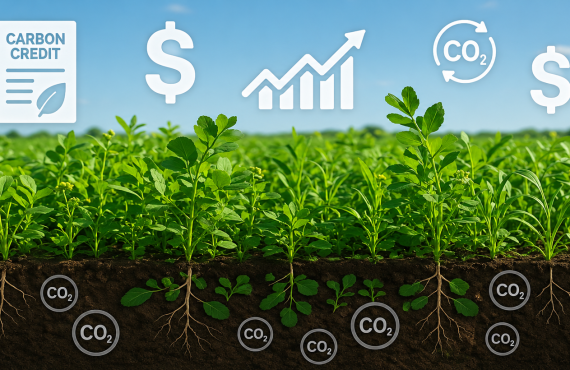
Financial institutions and investment funds are also showing increased interest, with new financial mechanisms expected to emerge to support farmers applying regenerative practices. At the same time, the co-benefits of carbon farming are gaining importance — including improved biodiversity, moisture retention, and soil health restoration.
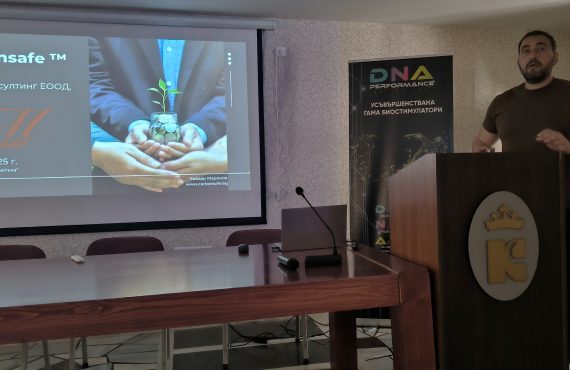
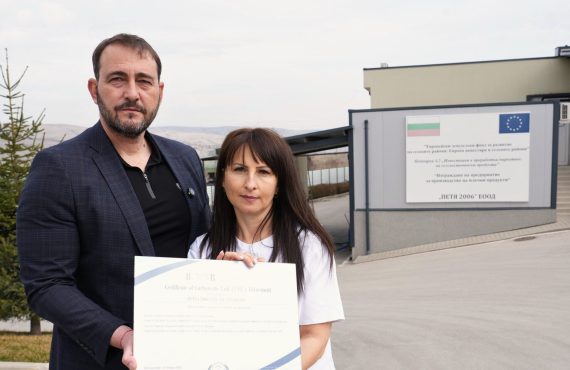
Bulgaria is rapidly positioning itself as a regional leader in the implementation of carbon farming, largely thanks to programs like Carbonsafe — the first national initiative combining a scientific approach, annual soil sampling, and certified carbon credit generation. This model proves that sustainable practices and economic benefits can go hand in hand — farmers improve soil structure and yields while also generating an additional source of income through verified carbon credits.
Challenges for the sector remain, such as the need for greater awareness among farmers, easier access to data, and training opportunities for smaller farms. However, the growing attention from European institutions and businesses toward sustainable agriculture opens up new opportunities for funding, partnerships, and innovation that will make the sector more efficient and transparent.
2026 is set to be a year when carbon farming establishes itself not merely as a concept but as a real economic opportunity for farmers and a vital instrument for achieving climate goals. With the continued efforts of companies like Carbonsafe, which build trust through transparency, scientific integrity, and measurable results, Bulgaria is poised to become a model for sustainable agriculture in Southeast Europe.
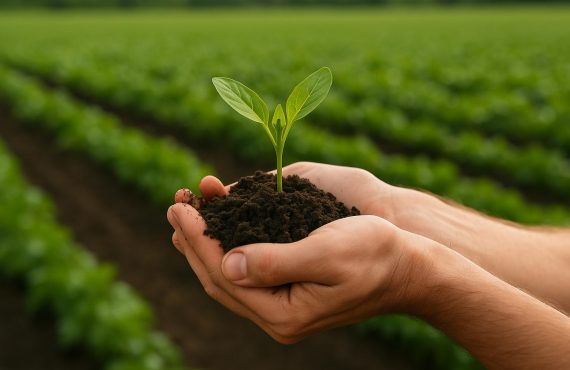
The future of agriculture begins with the soil — and that future is already here.