Project names:
CARBONSAFE CARBON FARMING PROJECT – SOUTH REGION;
CARBONSAFE CARBON FARMING PROJECT – NORTH REGION.
Project Overview
● Project Developer: Carbonsafe JSC
● Location: Bulgaria – geographical boundaries
● Project Type: Agriculture sector; removal of greenhouse gas emissions – carbon dioxide (CO₂) – from the atmosphere and its sequestration in the form of Soil Organic Carbon (SOC) in the soil.
● Methodology: “Methodology for improving and reporting the level of sequestered carbon in soil in the agriculture sector”, https://bccregistry.org/programs
● Standard: Balkan Carbon Credit Standard: https://bccregistry.org/programs
● Project Registration: BCCR-6-00002-AGRI – Carbonsafe Carbon Farming Project – South Bulgaria – CSBG-BG-S, https://bccregistry.org/project/69
● Project Registration: BCCR-7-00002-AGRI – Carbonsafe Carbon Farming Project – North Bulgaria – CSBG-BG-N, https://bccregistry.org/project/68
● Total Rrea (if applicable): n/a
Project Description:
The projects are developed and managed by Carbonsafe JSC, a company dedicated to the development of sustainable agriculture and climate solutions. They are implemented on the territory of the Republic of Bulgaria, exclusively on agricultural land within the land-use system.
The main objective of the projects is the removal of greenhouse gas emissions – carbon dioxide (CO₂) – from the atmosphere and its long-term storage in the form of Soil Organic Carbon (SOC) in the soil.
The projects started in January 2023 with a 40-year crediting period (2023–2063), during which the planned activities will generate verified climate benefits and carbon credits linked to a measurable increase in soil organic carbon stocks.
Each of the two projects is a regional grouped project in which registered farmers may participate voluntarily in accordance with Ordinance No. 3 of 29 January 1999 on the establishment and maintenance of a register of farmers (promulgated, SG No. 10 of 1999, as amended and supplemented). Registration for participation is open year-round, provided that farmers meet predefined eligibility criteria.
To be eligible for participation, a farmer must:
● Be registered in the Commercial Register or the BULSTAT Register at the Registry Agency;
● Have a registration/re-registration questionnaire card as a farmer;
● Have a document proving the legal basis for using the agricultural land.
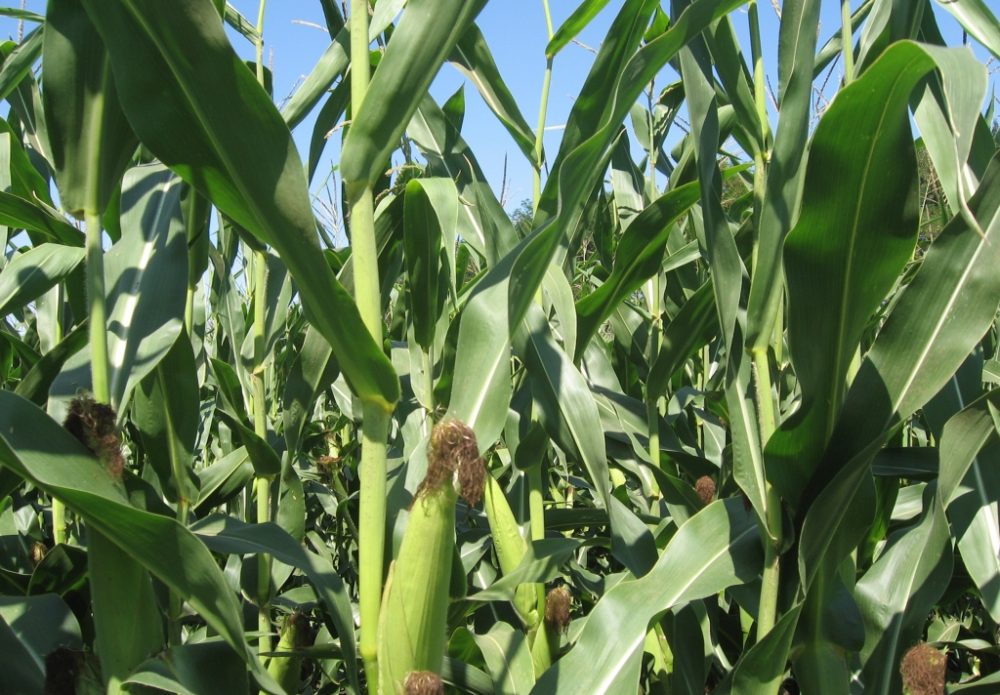
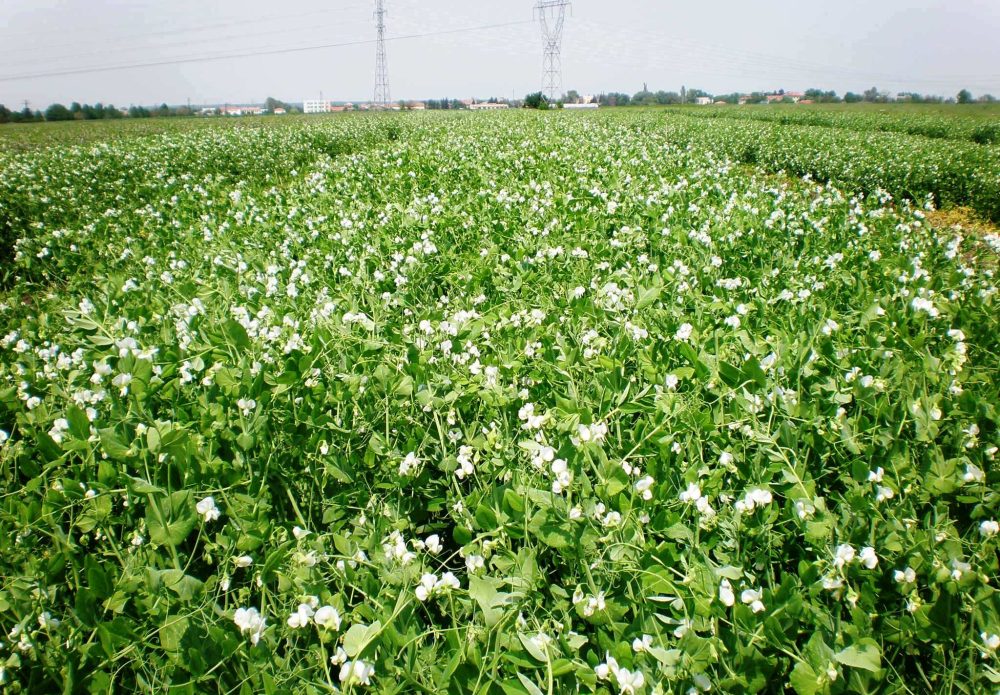
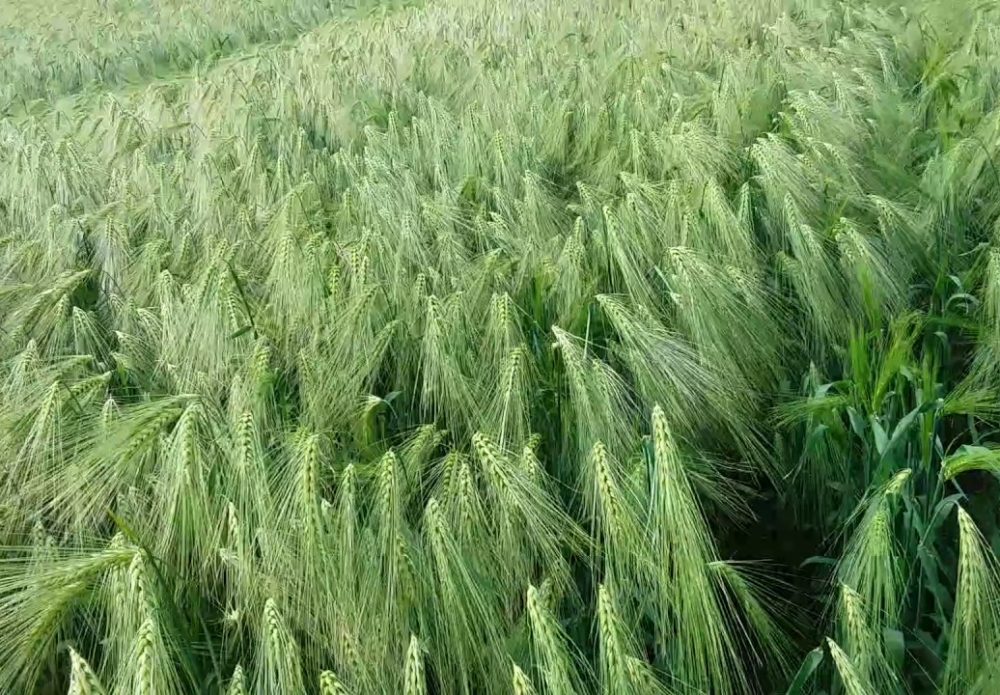
Eligible farms include those in the crop production sector and mixed livestock production with crop production. After approval for participation in the project, a five-year contract is signed with each farmer, with an option for extension.
Objectives and Expected Results
The objective of the projects is to transform agricultural land into a reliable and long-term mechanism for capturing and storing carbon in the soil, while simultaneously increasing the resilience, productivity, and economic stability of farms.
By participating in the projects, farms have the opportunity to generate carbon credits through the application of regenerative agricultural practices in crop production. These practices contribute to:
● Increasing the content of organic carbon in the soil;
● Improving soil structure and water-holding capacity;
● Reducing erosion;
● Limiting the need for synthetic fertilizers;
● Increasing biodiversity and the resilience of agro-ecosystems.
Measurement and Verification Methodology
The approach for measuring and verifying results is based on the “Methodology for improving and reporting the level of sequestered carbon in soil in the agriculture sector” and includes the following activities:
● Annual georeferenced soil sampling from each parcel registered in the project;
● Sampling at three depths: 0–30 cm; 30–60 cm; 60–90 cm;
● Laboratory testing of soil samples in an accredited laboratory;
● Analysis of results and tracking of Soil Organic Carbon dynamics;
● Preparation of agronomic recommendations and individual strategies for optimized farm management.
Credits are issued ex post, only after the measured increases in Soil Organic Carbon have been objectively verified by an independent third party – an accredited validation and verification body. The issued credits are registered in the public Balkan Carbon Credit Registry, ensuring transparency and full traceability.
Through their participation in the projects, farmers contribute to the reduction of atmospheric carbon dioxide (CO₂) while also receiving a financial incentive through the generation of carbon credits.
The projects combine climate, environmental, social, and economic benefits and provide a sustainable model for the development of agriculture and local communities by increasing farms’ adaptability to climate change.