
With the development of carbon projects in agriculture and the growth of the voluntary carbon market, the term offtake—a pre-purchase or offtake agreement—is being used increasingly often. Although originating in the energy sector, this type of agreement is now gaining wider application in carbon credit markets, as it provides clarity and certainty from the early stages of a project.
In simple terms, an offtake agreement is a contract under which a buyer commits in advance to purchase future carbon credits under agreed conditions. The credits themselves are generated and issued at a later stage—after monitoring, independent verification, and certification—but from the outset there is clarity regarding their future sale.
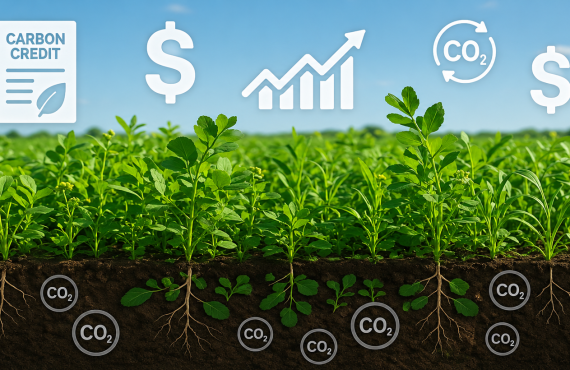
This is particularly important for agricultural carbon projects. The transition to sustainable practices requires time, investment, and consistency, while climate benefits and revenues from carbon credits often materialize years after a project begins. Offtake agreements help reduce this risk by providing greater financial predictability and confidence for all project participants, including farmers.
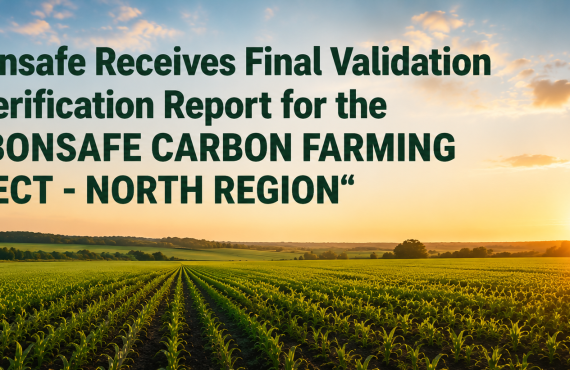
It is important to emphasize that such agreements do not replace the certification process. Buyers typically require that carbon credits be issued under recognized international standards and verified by independent auditors. In this way, commercial commitments are directly linked to quality, transparency, and the real climate impact of the projects.
The growing interest in offtake agreements is a clear sign of the maturation of the voluntary carbon market. It shows that buyers are seeking long-term and reliable solutions, while agriculture is increasingly establishing itself as a sector with real potential to deliver sustainable and measurable climate impact.