Environment

Carbonsafe 2025: A Year of Proof. 2026: A Year of Growth.

2025 was a year in which Carbonsafe reaffirmed the direction it has followed from the very beginning — combining science, sustainable practices, and farmers’ trust into a unified model that is transforming Bulgarian agriculture from within. It was a year in which our work in the fields, in laboratories, and in dialogue with society demonstrated its value in a clear and compelling way. The carbon farming program continued to grow and evolve. More and more farmers joined a model that provides

Carbonsafe: Sustainability in Action – From Soil to Community

We believe that sustainable business begins with responsibility — to the land, to the farmers, and to the communities we serve. For us, social responsibility is not an additional activity but a natural extension of our mission to develop regenerative and climate-resilient agriculture in Bulgaria. As creators of the first national carbon farming program, we work daily with farmers across the country to provide scientifically proven solutions, professional consulting, and access to additional income opportunities through certified carbon credits. We support

A Look into the Future of Carbon Farming: Trends and Expectations for 2026

Carbon farming continues to establish itself as one of the most promising tools for sustainable soil management and climate adaptation. In 2025, the sector made steady progress, and the year ahead is expected to mark a new phase – one that is more mature, better structured, and increasingly driven by science and innovation. Experts predict that 2026 will be a year of refinement and growing trust in measurement and verification systems. More and more farmers and investors are turning to models

Carbon Farming and Biodiversity – A Path to Living and Sustainable Land

More and more farmers are seeking not just a way to produce, but a way to produce sustainably – so that their land remains fertile and future generations can rely on it. This is where carbon farming proves to be crucial – it not only helps in the fight against climate change but also brings life back into the soil, the fields, and the surrounding ecosystem. When we talk about yields, we rarely consider the invisible helpers – billions of microorganisms

Carbon Farming – Guides, Training, and Real Results with Carbonsafe

Carbon farming is no longer just a scientific term – it is becoming a practical tool for resilience, adaptation, and additional income for farmers. To take full advantage of these opportunities, agricultural holdings need reliable, locally adapted, and easily accessible educational resources. This article presents key European and national sources, as well as the role of Carbonsafe – the first Bulgarian carbon farming program, which helps farmers move from theory to practice. Who benefits from these resources? The educational materials are aimed at

Season for Profits and Clean Air: How Carbonsafe Supports Farmers

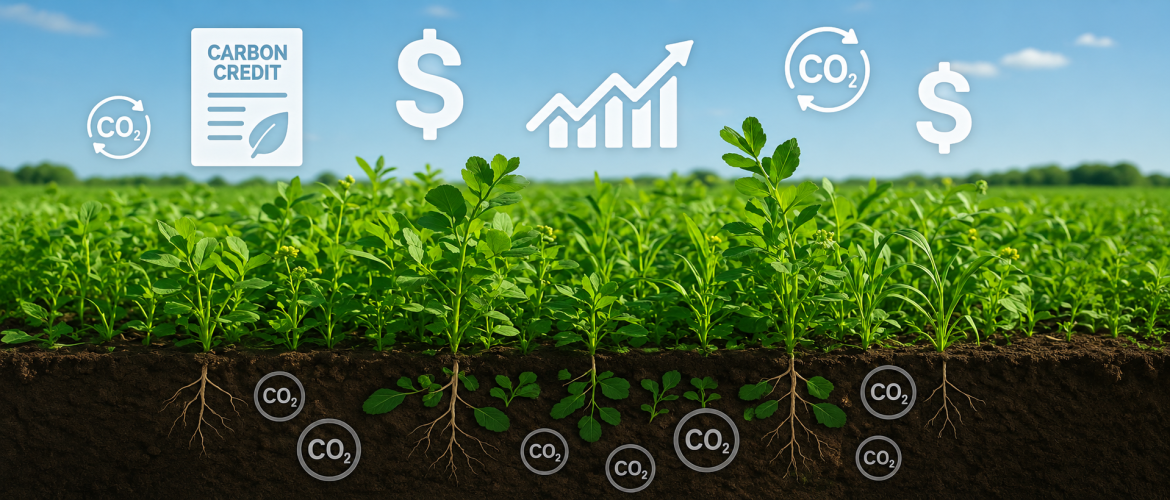
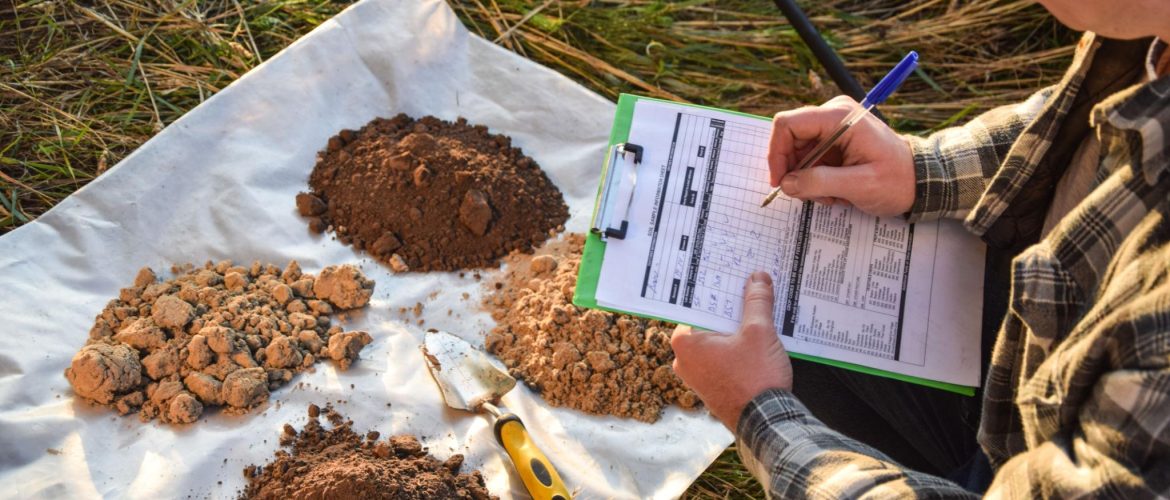
At the heart of every field lies an invisible potential – carbon. With the new season come new opportunities to turn this natural resource into reliable income. Carbonsafe provides farmers with the tools and knowledge to earn more while leaving a greener footprint. What is Carbonsafe? Carbonsafe is the first Bulgarian carbon farming program that supports farmers in applying regenerative practices based on 100% annual soil sampling and provides them with the opportunity to earn additional income through carbon credits. Each farmer enrolled

Carbon Farming and Climate Change: How Agricultural Practices Help Mitigate Climate Risk?

Climate change is no longer a distant concern—it already affects farms across Bulgaria. Droughts, shifting seasons, and extreme weather events are putting pressure on agricultural producers to adapt and build more resilient practices. Carbon farming has emerged as one of the most promising strategies—not only for improving soil health, but also for contributing to global efforts to curb climate change. What is the connection between agriculture and climate? Agriculture is both impacted by and contributes to climate change. It accounts for nearly

Carbon Credits: A Path to Sustainable Growth in Bulgarian Agriculture

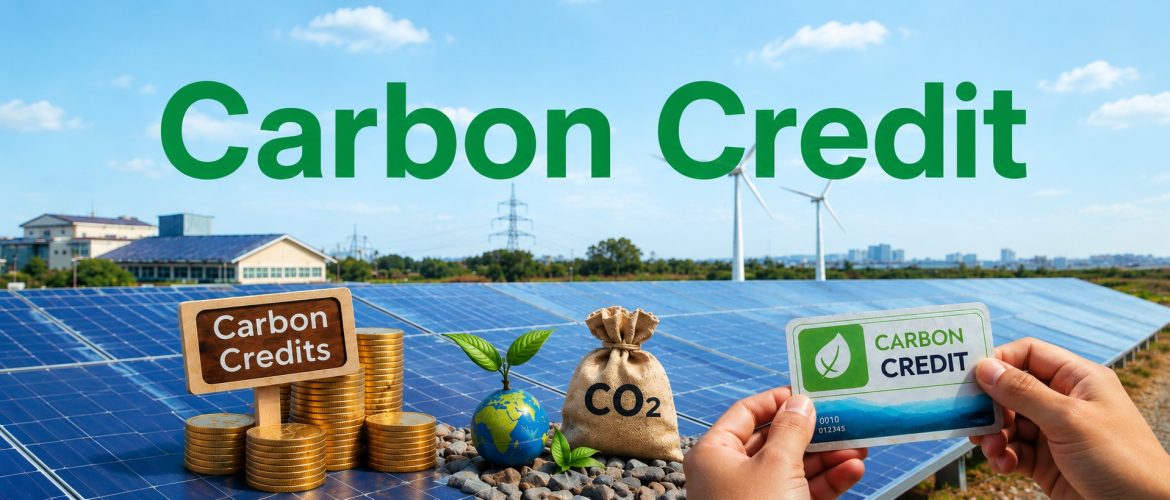
With growing attention to climate change and environmental responsibility, carbon credits are becoming a dual-value tool—both for protecting the environment and increasing the incomes of farmers. In the Bulgarian context, this creates real economic opportunities, combined with innovative sustainable practices. What Are Carbon Credits? A carbon credit represents a unit equivalent to one tonne of carbon dioxide (CO₂), or an equivalent amount of other greenhouse gases, that has been: • reduced, • removed from the atmosphere, or • prevented from being emitted thanks to a

Sustainable Farming in Summer: How to Adapt to Climate and Economic Challenges?

Each year, summer becomes increasingly demanding for farmers in Bulgaria. Droughts, heatwaves, high costs, and limited access to resources are just some of the challenges. In this environment, sustainable agriculture is no longer just a trend — it’s a real necessity. What does sustainable summer management mean? • Efficient water use – Drip irrigation, moisture sensors, and other tools help save water and reduce losses. • Soil conservation – Cover crops and minimum tillage preserve moisture and enrich the soil with nitrogen. • Smart

Carbon Farming: How Bulgaria Is Ahead of Global Practices?

Carbon farming is gaining momentum worldwide — as a method to combat climate change, improve soil health, and provide additional income for farmers. In Bulgaria, thanks to Carbonsafe™, this approach already has a tangible and measurable impact. 🌍 International Practices: Modeling and Scalability In various countries, carbon farming is supported by national programs and private platforms. These systems typically rely on predictive models, simulations, and algorithms to assess carbon impact — a more affordable but also less reliable solution. 📌 Examples from around