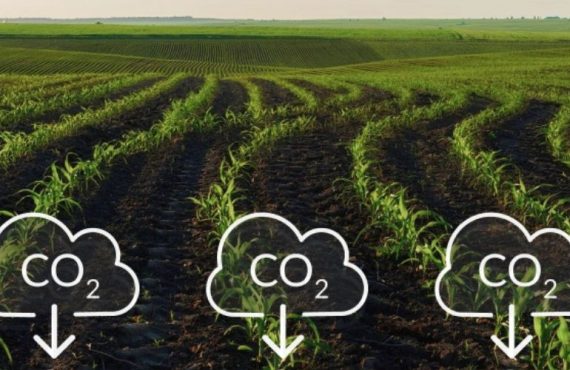

Between 22 January and 19 February 2026, the European Commission conducted a public consultation on the methodologies under the Carbon Removal and Carbon Farming Certification Framework (CRCF). This marks a key step in building a unified European system that will define how carbon removals in agriculture are measured, verified, and certified.
Carbonsafe has been following this process from the very beginning and actively participated in the consultation by submitting an official expert position to the European Commission. For us, regulation is not an external factor but a structural framework that will determine the trust, value, and long-term sustainability of carbon credits in Europe.
Regulation as a Tool for Trust
Feedback during the consultation clearly showed that the market is entering a phase of maturity. The main topics highlighted by stakeholders included:
• the need for clear and measurable baselines;
• ensuring additionality;
• reliable monitoring mechanisms;
• long-term carbon storage;
• transparency and independent verification.
These discussions confirm a trend that Carbonsafe has consistently advocated: quality and measurability are the foundation of a credible carbon market.
The Position of Carbonsafe
In its submitted statement, Carbonsafe raised several key questions and proposals aimed at improving the clarity, scientific robustness, and practical applicability of the regulation.
1. Clarity on Baselines in Soil Measurements
The methodology allows the use of “zero” as a baseline under certain conditions. Carbonsafe highlighted the need for greater clarity regarding whether this zero baseline refers to conventional practices (business-as-usual) or to the actual measured carbon content in the soil.
This distinction is crucial. Without precise definitions, there is a risk of different interpretations, which could affect the comparability and integrity of projects.
2. Monitoring Period and Measurement Approaches
The regulation foresees a monitoring period of 10 years after the active implementation phase. Carbonsafe raised the question of whether the requirements are identical for the two permitted approaches: model-based estimation and direct measurement-based methods.
The answer to this question will be decisive for how the long-term reliability of projects is assessed. Our position is that monitoring must ensure real traceability and should reflect the specifics of the measurement approach used.
3. Additionality and Eligible Practices – The Need for Flexibility
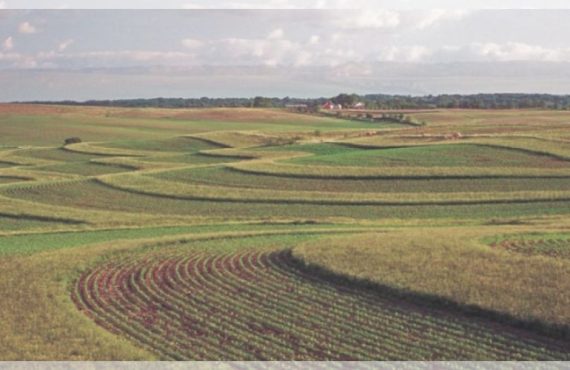
Carbonsafe proposed a more flexible and results-oriented approach when defining eligible agricultural practices. Limiting the methodology to a fixed list of practices may hinder the implementation of innovative or locally adapted solutions.
More important than the formal list of practices is the result itself: a demonstrable increase in soil carbon or a measurable reduction in emissions.
We also emphasized that the concept of additionality should recognize not only improvements relative to a baseline but also the maintenance of already achieved high environmental standards. Farmers who have invested in sustainable practices for years should not be placed at a disadvantage compared to farms starting from a lower baseline.
Scientific Consistency and Integrated Soil Management
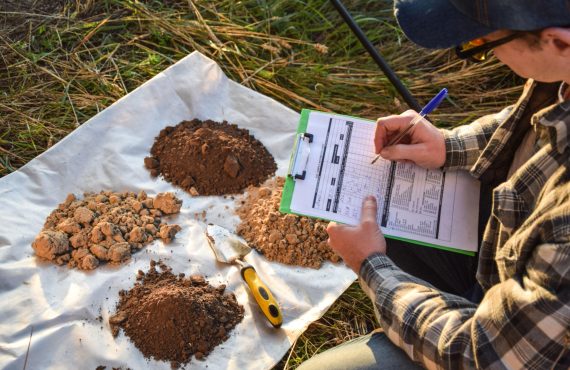
In its position, Carbonsafe also stressed the importance of an integrated agronomic approach. The effectiveness of carbon farming does not depend solely on the choice of practice but on the proper balance and sequencing of key soil parameters, including:
• soil pH,
• nutrient levels,
• C/N ratio,
• organic matter content.
Soil management must be based on analysis and long-term strategy, not on isolated interventions. Only this approach can ensure sustainable increases in soil carbon without compromising yields or agronomic stability.
What Comes Next?
The process does not end with the public consultation.
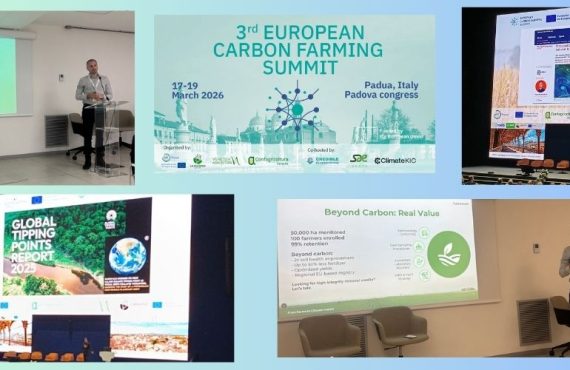
From 17–19 March, the Carbon Farming Summit in Padua will provide a key platform for expert dialogue and feedback. On 23 April, a meeting of the Expert Group on Methodology is scheduled, where further clarifications and adjustments will be discussed.
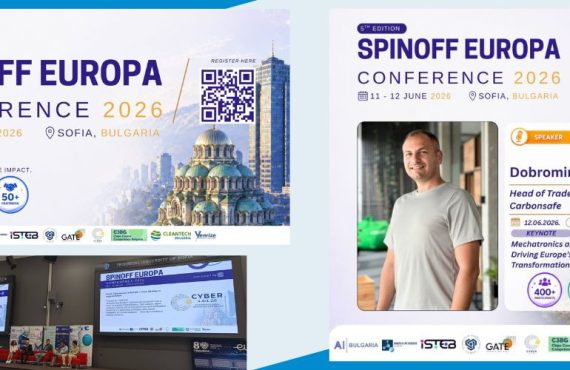
Carbonsafe will continue to actively monitor the development of the framework and contribute to the professional dialogue. It is a strategic priority for us that Bulgarian farmers operate in line with the highest European standards and have access to a market based on trust and measurable results.
Regulation as an Opportunity
The European framework is not merely an administrative procedure. It is a mechanism for building trust in a market that will play an increasingly important role in climate policy and sustainable finance.
Carbonsafe believes that the future belongs to scientifically grounded, transparently measured, and independently verified carbon removals. That is why we not only apply these principles in practice but also actively contribute to shaping them at the European level.