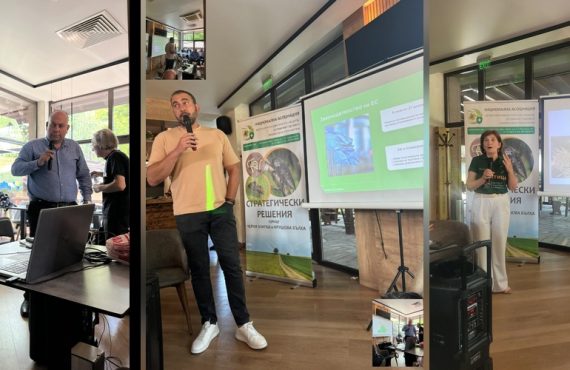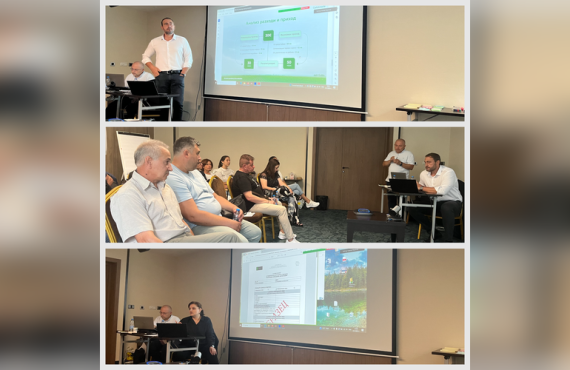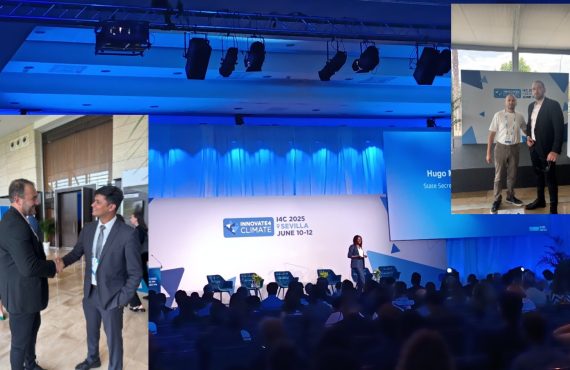

From January 21 to 23, 2026, Carbonsafe took part in the 8th Central European Biomass Conference (CEBC 2026), held in Graz, Austria. The participation was part of a Bulgarian delegation organized by ADVANTAGE AUSTRIA – the Trade Section of the Austrian Embassy – bringing together representatives of companies and institutions engaged in sustainable development, energy transition, and innovation.
Held every three years, the conference brings together more than 1,400 participants from over 50 countries and has established itself as one of the most significant international forums in the field of bioenergy and sustainable biomass use. The event connects science, business, policy, and society, providing a platform for the exchange of knowledge, ideas, and practical solutions.
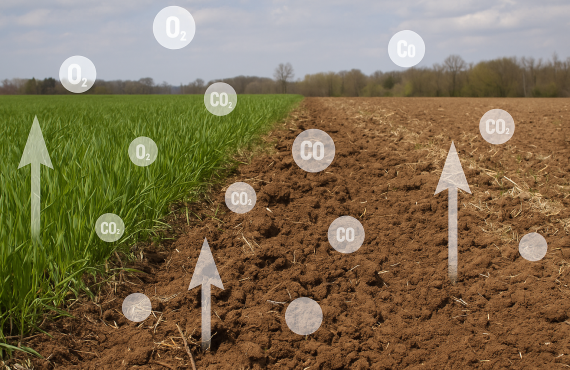
Within the framework of CEBC 2026, key topics were discussed, including the role of biomass in the energy transition, the integration of bioenergy solutions into carbon markets, the use of bio-based technologies to improve soil health, and the link between carbon farming and decentralized energy systems. These discussions are closely aligned with Carbonsafe’s long-term vision of combining regenerative agriculture with science-based climate solutions.
Alongside the conference, the “Häuslbauer” trade fair was held, focusing on energy solutions for the building sector. The exhibition attracted approximately 40,000 visitors and further strengthened the practical orientation of the event.
Carbonsafe’s participation in CEBC 2026 provided valuable opportunities for professional meetings, knowledge exchange, and tracking the latest trends in bioenergy, carbon farming, and sustainable land management. The conference clearly demonstrated that circular, land-based climate solutions are gaining increasing momentum across Central and Eastern Europe.
For Carbonsafe, participation in such international forums is an essential part of the global dialogue on climate transition and sustainable agriculture, as well as an opportunity to explore synergies between agricultural practices, bioenergy technologies, and carbon markets.