
With the development of the voluntary carbon market, carbon project ratings are becoming increasingly important. They are gradually establishing themselves as a tool for assessing the quality, reliability, and actual climate impact of projects, while interest in them continues to grow among investors, buyers, and organizations developing carbon programs.
In practice, ratings represent an independent expert assessment of the risk and reliability of carbon credits. They do not replace certification and verification but instead provide an additional perspective on the extent to which a project can guarantee a long-term and genuinely measurable climate impact.
Rating agencies such as BeZero, Sylvera, Calyx Global, and Renoster analyze various aspects of carbon projects – from monitoring and measurement approaches to permanence risk, process transparency, and the applied methodology. Increasing attention is also being given to the additional benefits projects generate for soils, biodiversity, and local communities.
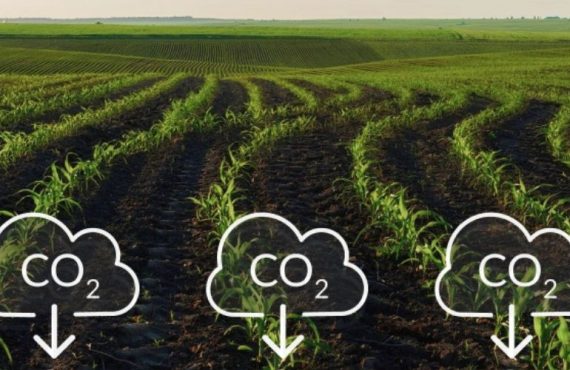
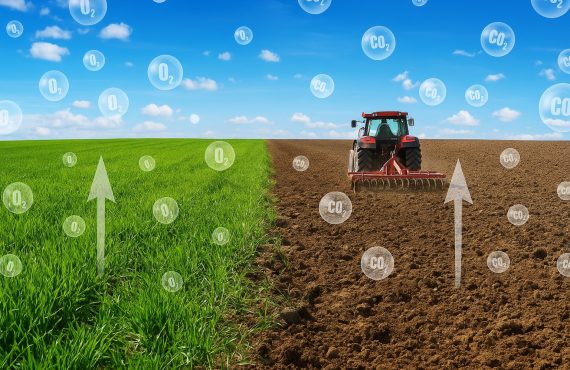
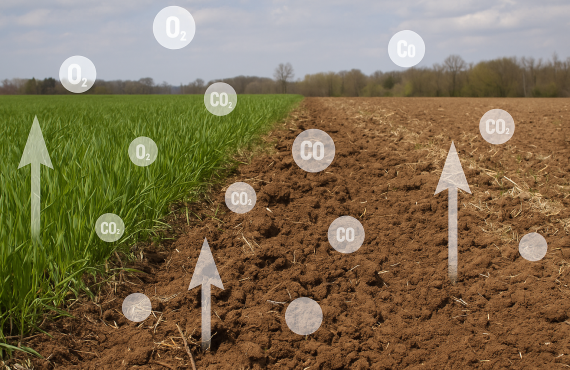
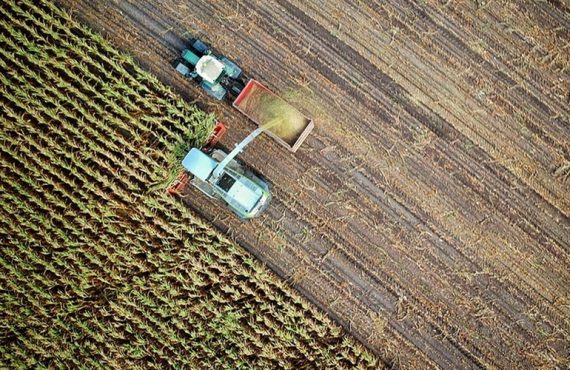
Carbon farming projects are attracting particularly strong interest from rating agencies and market participants. This is because soil carbon management is influenced by numerous factors, including climate conditions, agronomic practices, soil management, and the long-term sustainability of results. As a result, the reliability of monitoring systems and the quality of data have become key elements in project evaluation.
The market is gradually placing greater emphasis on high-integrity carbon credits with a verifiable origin. Companies investing in carbon solutions are increasingly seeking projects based on transparency, traceability, and scientific credibility rather than solely on theoretical models and projected estimates.
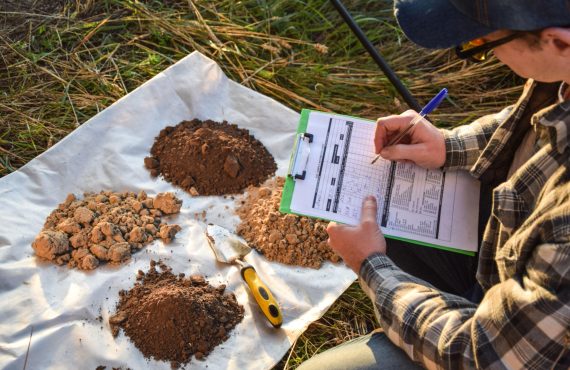
In this context, approaches based on direct measurements and long-term monitoring are becoming especially important. Projects that rely on annual soil sampling, laboratory testing, and independent verification of data create a higher level of trust and stronger conditions for long-term project sustainability.
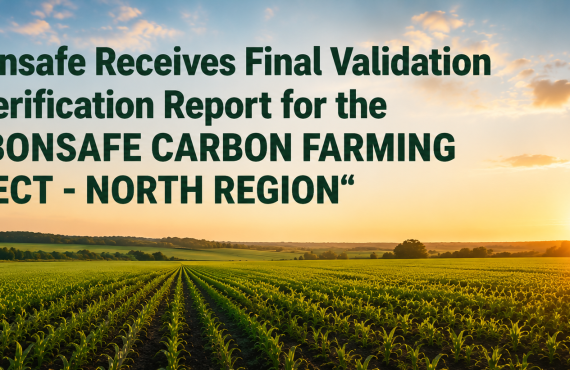
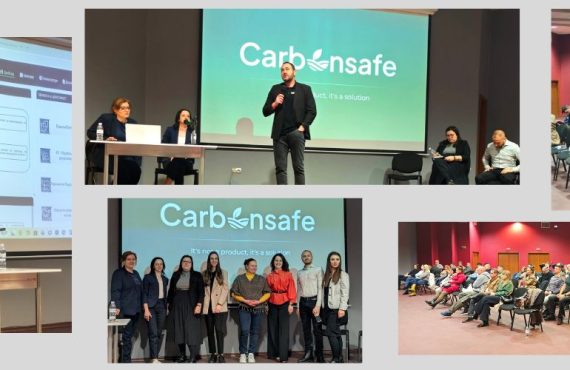
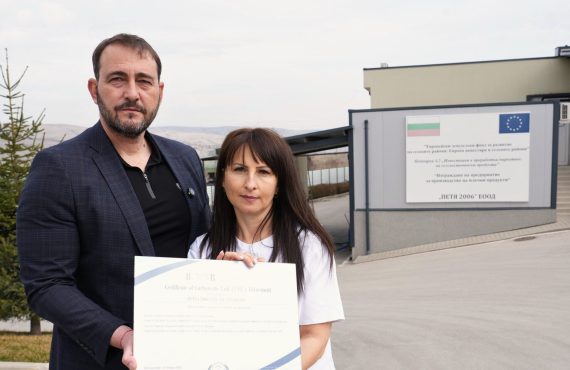
In Bulgaria, the topic is also becoming increasingly relevant with the development of carbon farming and the introduction of new European regulations in the sector. Carbonsafe applies a model based on annual soil sampling, laboratory analyses, and independent verification of results, with a strong focus on measurability, traceability, and a genuinely verifiable climate impact.
As the market evolves and new European requirements emerge, ratings are expected to play an increasingly important role in assessing the quality of carbon projects. This means that transparency, reliable data, and scientifically grounded methodologies will become some of the key factors for trust and the sustainable development of carbon farming in the years ahead.