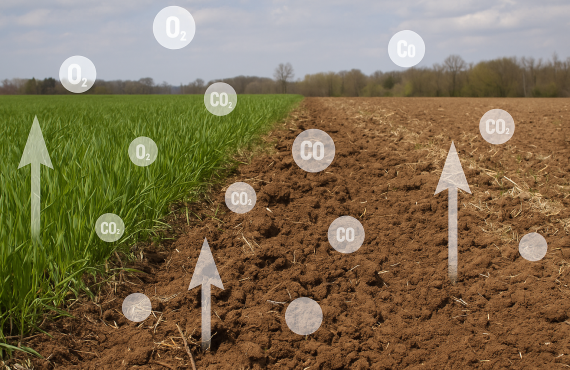

Carbon farming is increasingly establishing itself as a sustainable model that combines improved soil health with opportunities for additional income for farmers. However, as interest in these practices grows, a key question naturally arises: how reliable is the process of generating carbon credits, and how can we be sure that the results are real and verifiable?
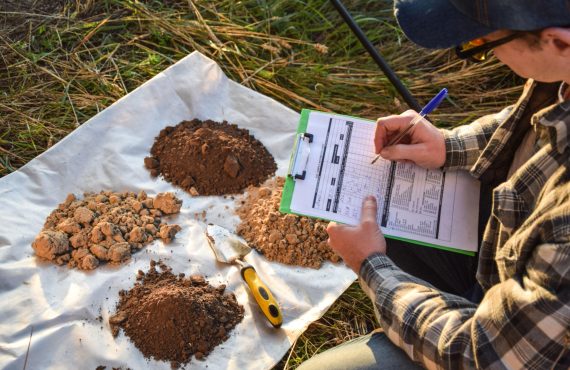
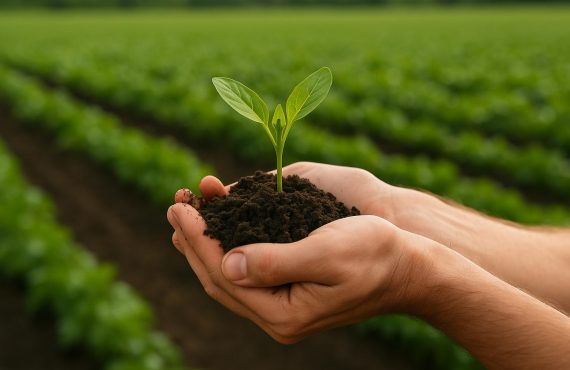
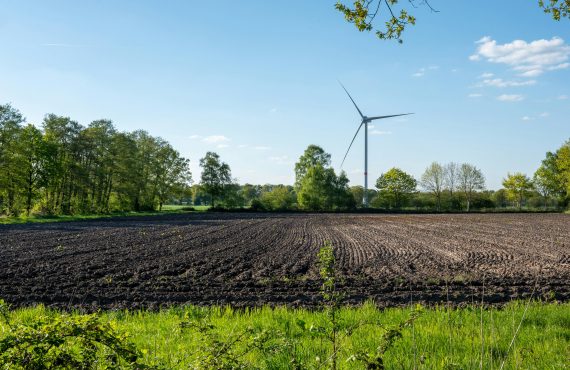
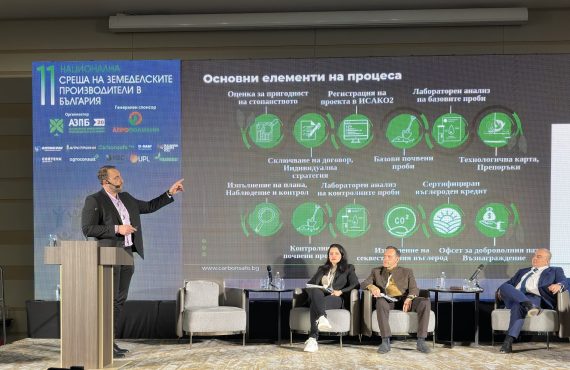
The answer lies in a clearly structured and traceable process that begins directly in the field. Soil sampling is the first and one of the most important steps. It is carried out according to an established methodology, where samples are taken from specific plots and at different depths. This allows for the creation of a reliable baseline and enables the tracking of changes in soil organic carbon over time.
The next step is laboratory analysis, where the samples are tested in accredited laboratories. It is at this stage that key indicators are determined, including the amount of organic carbon in the soil. The resulting data forms the foundation for assessing whether real and measurable results have been achieved.
A critical component of the process is long-term monitoring. The accumulation of soil carbon is a gradual process that requires consistency and precision in measurements. Through regular data collection and analysis, it becomes possible to distinguish between actual increases and natural variations in soil parameters.
The reliability of the entire process is ensured through independent verification. Before carbon credits are issued, all results are reviewed by an accredited third party. This step confirms that the reported values are real, measured according to established standards, and compliant with the relevant methodology.
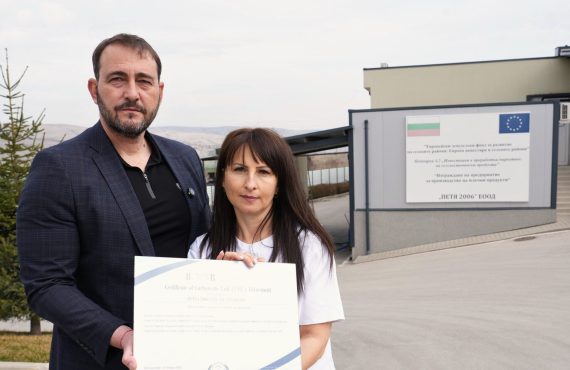
Only after successful verification are carbon credits issued. They are then recorded in a public registry, ensuring full transparency and traceability. Each credit has a unique identification and can be traced back to the specific project, plot, and measured results on which it is based.
This comprehensive approach – from soil sampling to registry – is the foundation of trust in carbon projects. It ensures that carbon credits are not based on assumptions, but on real, measured, and independently verified data.
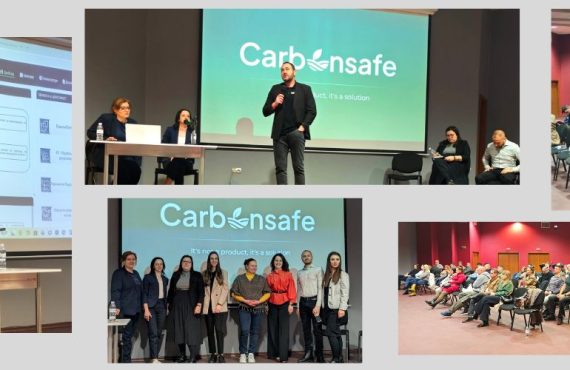
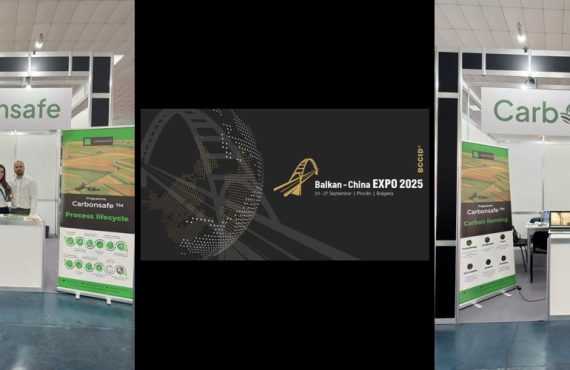
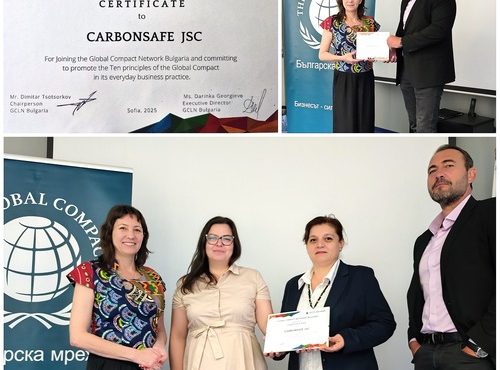
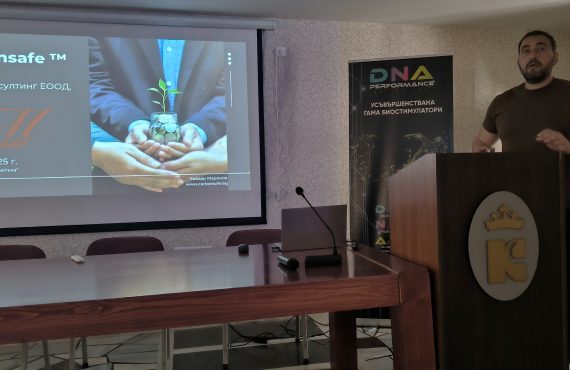
In Bulgaria, this model is already being implemented in practice. Carbonsafe works with farmers by applying an approach based on annual soil sampling, laboratory analysis, and independent verification of results. This enables the development of long-term strategies for farm management and ensures the reliability of the generated carbon credits.
For farmers, this means clarity, predictability, and security. Participation in carbon projects is no longer just about applying practices, but about demonstrating measurable results. This is what makes carbon farming a sustainable, long-term approach – one that combines economic value with a real contribution to climate action.