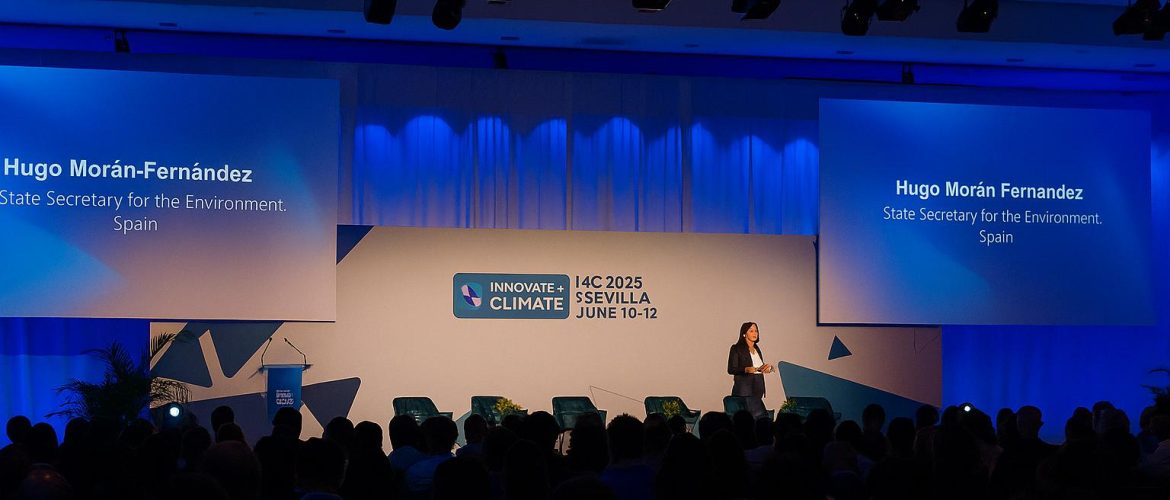
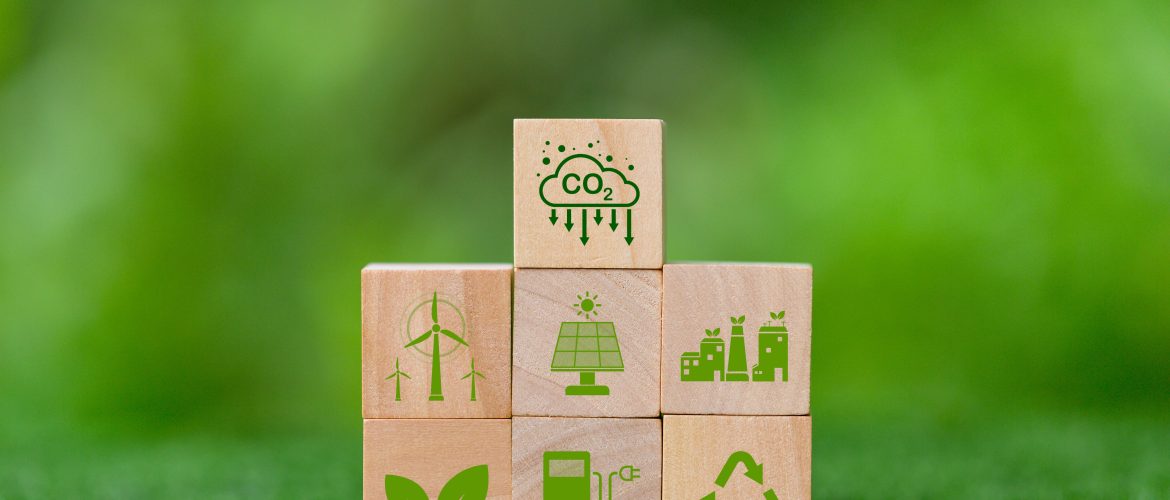
Carbonsafe™ participated in one of the most prominent global events in the field of sustainable finance and carbon markets – Innovate4Climate 2025, organized by the World Bank in Seville, Spain. The event brought together over 1,000 participants from more than 80 countries – including institutions, businesses, and experts engaged in climate solutions. Key topics included carbon pricing, sustainable finance, and the development of carbon market infrastructure. In the Spotlight: Premium Carbon Credits A major highlight of the conference was the increasing demand for
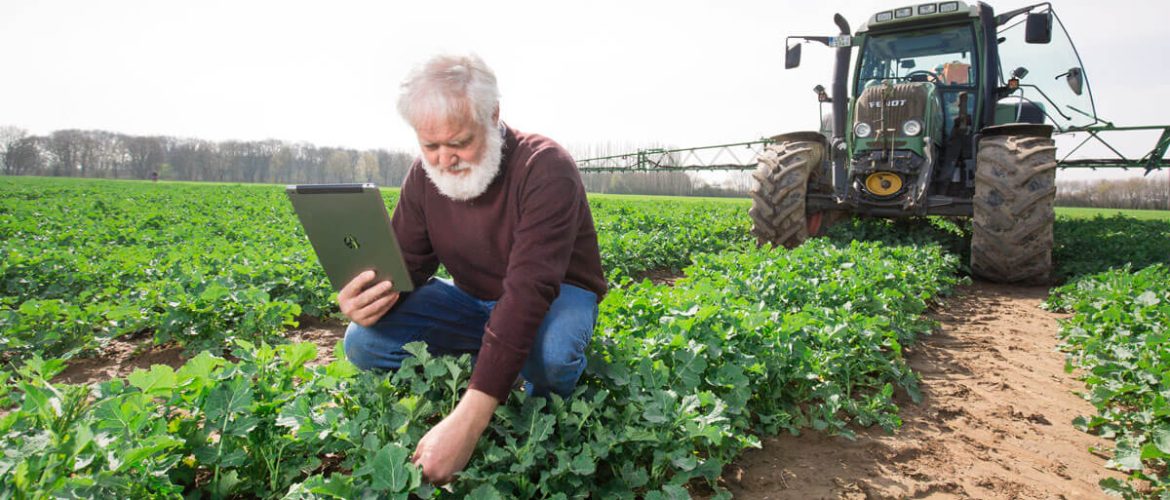
Each year, summer becomes increasingly demanding for farmers in Bulgaria. Droughts, heatwaves, high costs, and limited access to resources are just some of the challenges. In this environment, sustainable agriculture is no longer just a trend — it’s a real necessity. What does sustainable summer management mean? • Efficient water use – Drip irrigation, moisture sensors, and other tools help save water and reduce losses. • Soil conservation – Cover crops and minimum tillage preserve moisture and enrich the soil with nitrogen. • Smart
Carbon farming is gaining momentum worldwide — as a method to combat climate change, improve soil health, and provide additional income for farmers. In Bulgaria, thanks to Carbonsafe™, this approach already has a tangible and measurable impact. 🌍 International Practices: Modeling and Scalability In various countries, carbon farming is supported by national programs and private platforms. These systems typically rely on predictive models, simulations, and algorithms to assess carbon impact — a more affordable but also less reliable solution. 📌 Examples from around
The Importance of Carbon Credits In a world where sustainability is no longer just a preference but a requirement, carbon credits are emerging as a key tool for responsible business. They are not only a means of offsetting carbon emissions, but also a mechanism to support farmers and producers who invest in environmentally friendly practices. How Do Carbon Credits Work? Carbon credits represent certified reductions in carbon emissions that companies can purchase to offset their environmental impact. This is not just a
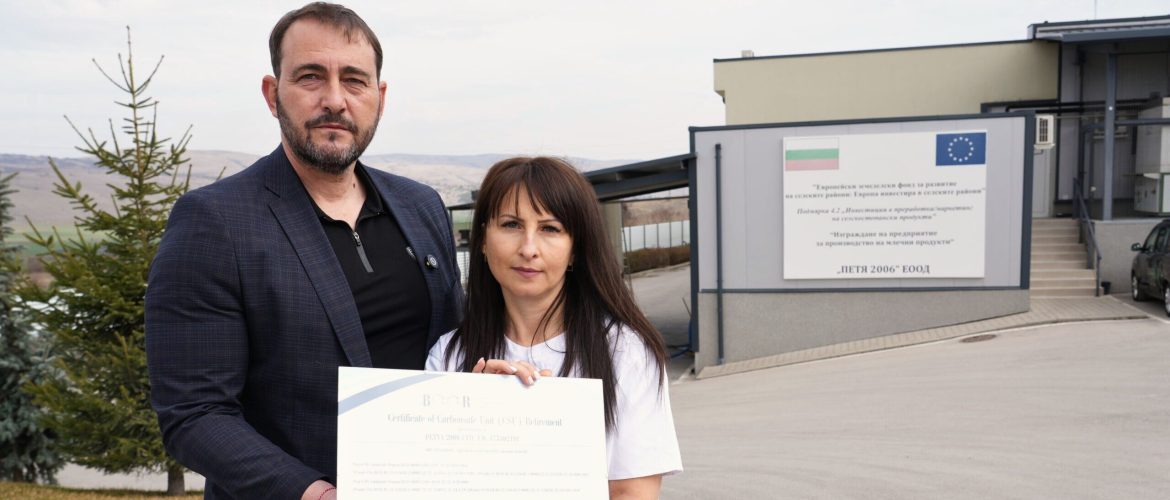
A Historic Milestone in Sustainable Agriculture: CARBONSAFE has successfully made its first carbon credit sale at a price of €30 per credit. This is a significant breakthrough for the program and a key step in establishing Bulgaria as a leader in sustainable agriculture and soil resource management. The First Sale: What Does It Mean? This transaction marks the first real-world example of the successful implementation of CARBONSAFE’s innovative approach to carbon sequestration in soil. Farmers Kaloyan Momchev and Boris Yotin, who are
As of January 2025, the Carbon Removal Certification Framework (CRCF) is officially in force, marking a significant milestone in the global effort to combat climate change. This landmark initiative, spearheaded by the European Commission, establishes robust criteria for certifying carbon removal activities, including carbon farming. It sets the stage for greater transparency, accountability, and incentives for sustainable practices. This framework will have a profound impact on carbon farming and the broader agricultural sector. Here’s what you need to know about CRCF
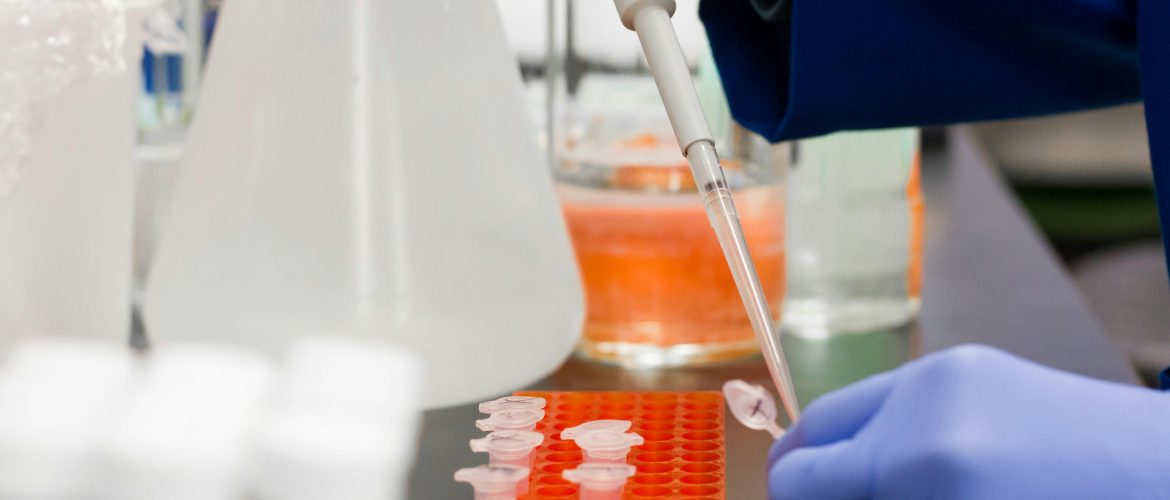
We believe in pushing the boundaries of what’s possible in the voluntary carbon market (VCM). As pioneers in soil carbon sequestration, our approach goes beyond the ordinary, combining rigorous science, transparency, and direct farmer engagement. Here’s what makes us stand out: 🔬 100% Soil Sampling for Accuracy Our credits are backed by 100% soil sampling, ensuring the most accurate measurement of carbon sequestration. This meticulous approach means our clients can trust that every credit represents real, measurable, and scientifically verified carbon removal. 👩🌾
Soil carbon sequestration is a crucial component in the fight against climate change, yet the science behind it often remains underappreciated. At Carbonsafe, we’re committed to applying the latest advancements in soil science to maximize the impact of our carbon credits. Here’s a closer look at the science behind soil carbon sequestration and how it drives real, measurable change. 🔬 How Does Soil Carbon Sequestration Work? Soil acts as a carbon sink by capturing CO2 from
As the carbon market grows, so does the demand for high-quality carbon credits. For companies and individuals aiming for genuine impact, it’s essential to understand what sets quality credits apart. Here are some critical elements that define high-quality carbon credits and why they matter: 🌱 Transparency & Traceability High-quality carbon credits provide full transparency and are traceable from generation to retirement. Buyers can see where and how carbon reductions or removals have taken place. This visibility builds trust and credibility in the
Did you know that farmers can play a critical role in the fight against climate change while also boosting their income? By adopting sustainable agricultural practices, farmers can generate carbon credits and open new revenue streams, all while enhancing the health of their soil. At Carbonsafe, we work closely with farmers to help them transition to carbon farming, turning their land into valuable carbon sinks. But what’s in it for farmers? Let’s break it down: 💰 Additional Revenue Stream: Farmers participating in carbon credit projects can sell the credits